

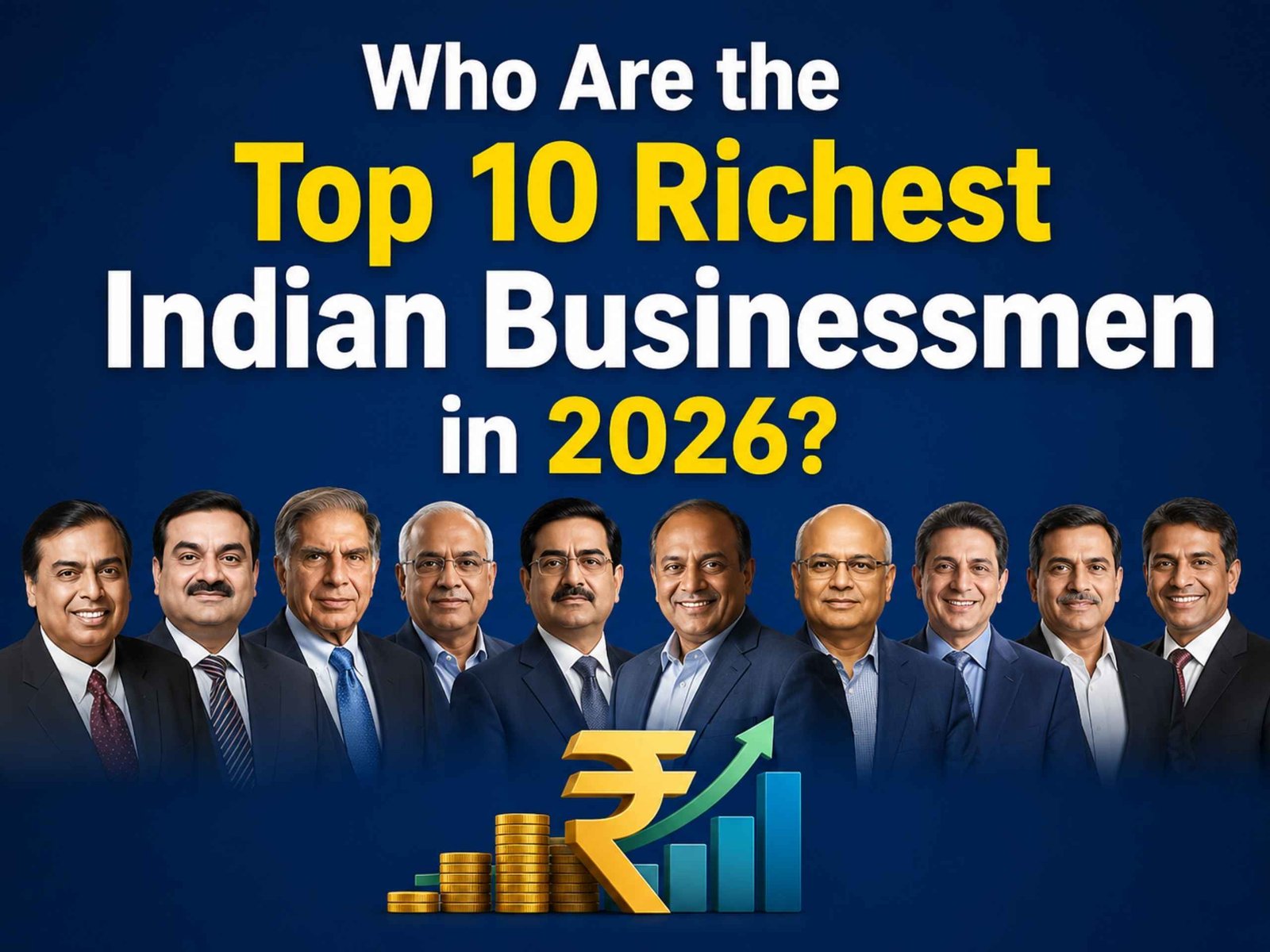
The richest Indian businessmen in 2026 are led by Mukesh Ambani of Reliance Industries and Gautam Adani of the Adani Group. Other top billionaires include Shiv Nadar of HCL Technologies, Cyrus Poonawalla of the Serum Institute, and Savitri Jindal of the OP Jindal Group. Their wealth is largely driven by massive investments in green energy, technology, and manufacturing.
India continues to cement its position as a global economic powerhouse. The nation’s rapid growth has created fertile ground for wealth generation, allowing domestic business leaders to expand their empires globally. As infrastructure develops and technology exports surge, the financial profiles of the country’s elite have reached unprecedented heights.
Understanding who controls this wealth provides valuable insight into the trajectory of the Indian economy. The individuals at the top of the financial ladder heavily influence market trends, employment opportunities, and national development projects. This guide breaks down the wealthiest business figures in India, the industries they control, and how they built their massive fortunes by 2026.
Table of Contents
What does the wealth landscape look like for Indian business leaders in 2026?
The Indian wealth landscape in 2026 shows a heavy concentration in industrial conglomerates, information technology, and pharmaceuticals. Strategic pivots toward renewable energy and digital transformation have significantly boosted the valuations of traditional legacy businesses.
Who are the top 10 richest Indian businessmen in 2026?
Financial tracking platforms and market analysts have identified the leading billionaires based on their asset valuations, stock holdings, and private enterprise revenues. Below is the projected data table outlining the top ten wealthiest Indian business leaders for 2026.
| Rank | Name | Primary Company | Industry |
|---|---|---|---|
| 1 | Mukesh Ambani | Reliance Industries | Diversified (Energy, Retail, Telecom) |
| 2 | Gautam Adani | Adani Group | Infrastructure, Commodities |
| 3 | Shiv Nadar | HCL Technologies | Information Technology |
| 4 | Savitri Jindal & Family | OP Jindal Group | Metals and Mining |
| 5 | Cyrus Poonawalla | Serum Institute of India | Pharmaceuticals |
| 6 | Dilip Shanghvi | Sun Pharmaceuticals | Pharmaceuticals |
| 7 | Kumar Birla | Aditya Birla Group | Commodities, Diversified |
| 8 | Radhakishan Damani | Avenue Supermarts (DMart) | Retail and Investments |
| 9 | Lakshmi Mittal | ArcelorMittal | Steel Manufacturing |
| 10 | Uday Kotak | Kotak Mahindra Bank | Finance and Banking |
How did the top three wealthiest Indian billionaires build their fortunes?
The top three individuals on this list control organizations that are deeply embedded in the daily lives of millions of consumers. Their strategic decisions directly impact the national market.
Why is Mukesh Ambani the richest person in India?
Mukesh Ambani leads Reliance Industries. This conglomerate generates massive revenue through its petrochemicals refining arm, but its recent growth is tied directly to consumer services. Jio Platforms provides telecommunications and broadband services to hundreds of millions of Indian citizens. Reliance Retail dominates the domestic shopping sector. Mukesh Ambani has also invested heavily in green energy transition projects. These diversified revenue streams ensure that Reliance Industries remains resistant to sector-specific market crashes, securing his position at the top of the wealth index.
How did Gautam Adani secure his position among the wealthiest?
Gautam Adani chairs the Adani Group. His wealth stems from a vast portfolio of infrastructure assets. The Adani Group operates the largest commercial ports in India. The company also controls major airport operations, power generation facilities, and coal mining ventures. By 2026, the Adani Group has expanded its footprint in solar manufacturing and renewable power generation. This alignment with national infrastructure development goals has allowed Gautam Adani to maintain a dominant financial position.
What drives the net worth of Shiv Nadar?
Shiv Nadar is the founder of HCL Technologies. He represents the incredible success of India’s IT services sector. HCL Technologies provides software development, cloud computing services, and cybersecurity solutions to global enterprises. Shiv Nadar recognized the global demand for outsourced IT infrastructure early on. As artificial intelligence and machine learning become standard enterprise requirements in 2026, HCL Technologies secures highly profitable international contracts, driving Shiv Nadar’s net worth upward.
Which other industries dominate the top 10 richest list?
While energy, infrastructure, and technology hold the top spots, manufacturing and healthcare are equally vital to the Indian economy. The business leaders in these sectors command massive workforces and supply chains.
How do manufacturing and retail leaders factor into the top 10?
Manufacturing and retail magnates hold strong positions due to India’s vast domestic consumer base. Savitri Jindal and her family control the OP Jindal Group. This organization dominates the steel and power sectors. Lakshmi Mittal of ArcelorMittal also commands global wealth through international steel production.
In the retail sector, Radhakishan Damani successfully scaled Avenue Supermarts, the parent company of DMart. Radhakishan Damani built his wealth by applying a highly efficient, low-cost supermarket model that resonates with the Indian middle class. Similarly, Kumar Birla leads the Aditya Birla Group, which profits from cement manufacturing, textiles, and telecom services.
What role does the pharmaceutical sector play in billionaire wealth?
India is widely recognized as the pharmacy of the world. Cyrus Poonawalla founded the Serum Institute of India, which operates as the world’s largest vaccine manufacturer by volume. The demand for routine global immunizations ensures a steady climb in his wealth. Dilip Shanghvi founded Sun Pharmaceuticals, which supplies generic medications to over 100 countries. These healthcare leaders maintain their top 10 rankings by providing affordable medical solutions to international markets.
What does the future hold for India’s business elite?
The wealth of India’s richest businessmen will likely continue to grow as the country expands its digital infrastructure and green energy initiatives. Business leaders who successfully integrate artificial intelligence into their supply chains and prioritize sustainable manufacturing will see the highest returns. Furthermore, as domestic consumption increases, consumer-facing conglomerates will capture even more market share. Keeping an eye on these top 10 leaders provides a clear window into the future of the global economy.
You can explore more detailed insights on profitable opportunities in this guide about the best businesses to start in 2026
Frequently Asked Questions (FAQ)
How is the net worth of Indian billionaires calculated?
Financial analysts calculate net worth by adding up the current market value of a person’s public stock holdings, private company valuations, real estate, and cash assets, and then subtracting any known debts. Because stock prices fluctuate daily, these valuations are estimates that change alongside the global stock market.
Are there any women among the richest people in India?
Yes. Savitri Jindal is consistently ranked among the wealthiest individuals in India. She chairs the OP Jindal Group, a massive conglomerate with interests in steel, power, and infrastructure. Other notable wealthy women in India include Falguni Nayar of Nykaa and Kiran Mazumdar-Shaw of Biocon.
What industries produce the most billionaires in India?
The pharmaceutical and healthcare sectors historically produce a high number of Indian billionaires. However, diversified conglomerates, information technology, and infrastructure are the sectors that generate the highest individual net worths at the very top of the wealth rankings.
Who is the youngest billionaire on the top Indian businessmen list?
While the top 10 list is generally dominated by seasoned veterans and legacy family founders, newer billionaires are emerging from the technology and startup sectors. Businessmen like Nithin Kamath of Zerodha represent a younger generation of wealth, though they typically rank just outside the top 10 mega-billionaires.

