

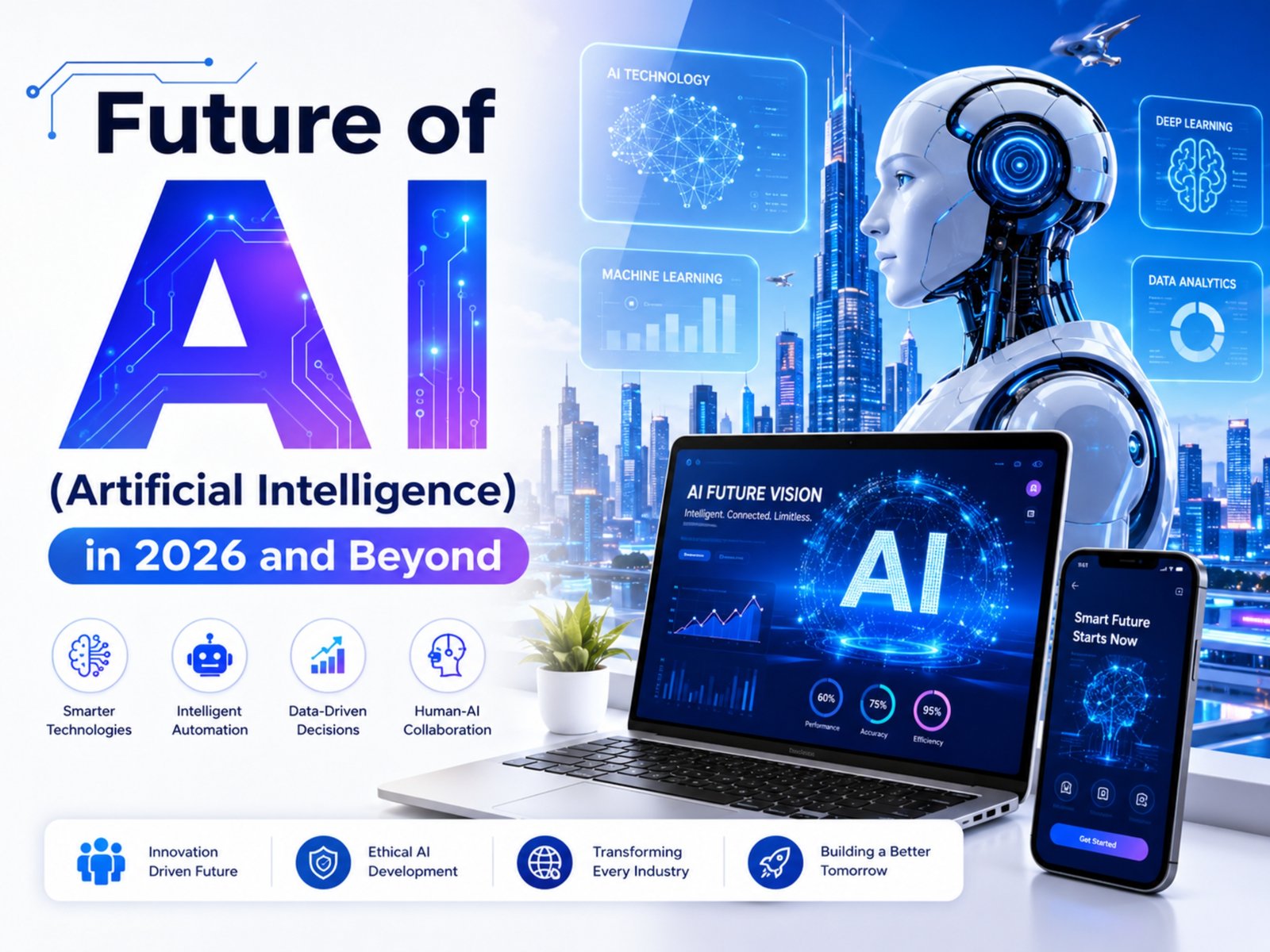
Artificial intelligence has rapidly transitioned from a niche academic pursuit to a foundational technology driving global innovation. We interact with machine learning algorithms daily, often without realizing it. From the recommendations on streaming platforms to the route optimization in navigation apps, these systems are deeply embedded in modern routines.
Understanding the future of artificial intelligence requires looking beyond the hype to see how these technologies will integrate into our professional and personal lives over the next decade. Major technology companies are investing billions of dollars into research and development, aiming to push the boundaries of what machines can learn and accomplish. This rapid pace of innovation brings both unprecedented opportunities and complex challenges.
This article explores the trajectory of artificial intelligence. We will examine upcoming trends, how machine learning models are evolving, the ethical considerations at play, and what organizations must do to adapt. By grasping these concepts, you can better prepare for the shifts that will define the next era of technological advancement.
Table of Contents
How AI Will Transform the Workplace
The professional landscape is undergoing a massive shift due to automation and advanced algorithms. Organizations are no longer asking if they should adopt AI, but rather how quickly they can integrate it to remain competitive.
Automation and Efficiency
Routine tasks are the first candidates for automation. Software programs can now process vast amounts of data, generate reports, and manage schedules with minimal human intervention. This shift allows human workers to focus on high-level strategy, creative problem-solving, and relationship management. For instance, customer service departments rely on intelligent chatbots to handle basic inquiries, freeing human agents to resolve complex disputes.
Collaborative AI Systems
The most successful workplaces will treat AI as a collaborative partner rather than a replacement tool. Human-AI collaboration pairs the speed and analytical power of machines with human empathy and contextual understanding. Medical professionals use diagnostic algorithms to quickly identify potential health issues in imaging scans, but the final diagnosis and patient care plan remain entirely in the hands of the doctor. This synergy enhances overall performance and reduces the likelihood of critical errors.
The Evolution of Machine Learning Models
As computational power increases, the underlying architecture of AI models becomes more sophisticated. The next few years will see significant upgrades in how these systems process information and generate outputs.
Generative AI Advancements
Generative models have captured public attention by producing highly realistic text, images, and audio. The future of generative AI points toward multi-modal systems. These advanced models will seamlessly process and generate various types of media simultaneously. A user could input a text description, and the system might generate a fully animated video complete with an original soundtrack and voiceover. This capability will dramatically alter industries like entertainment, marketing, and software development.
Natural Language Processing (NLP) Breakthroughs
Natural Language Processing allows machines to understand and respond to human language. Future iterations of NLP will focus on deep contextual understanding and emotional intelligence. Instead of merely parsing words, algorithms will detect subtleties like sarcasm, urgency, and hesitation. This will lead to virtual assistants that can hold highly nuanced conversations, acting as tutors, therapists, or specialized consultants with a near-human level of conversational fluency.
Ethical Considerations and Governance
With great technological power comes an urgent need for responsibility. The rapid deployment of AI systems has highlighted several ethical vulnerabilities that developers and lawmakers must address.
Addressing Bias and Fairness
Machine learning models are trained on massive datasets created by humans. Consequently, they often inherit historical biases present in that data. If an algorithm used for hiring or lending is trained on biased data, it will produce discriminatory outcomes. The future of artificial intelligence depends heavily on developing robust frameworks for auditing these systems. Researchers are actively working on methods to “de-bias” training data and ensure algorithms make fair, transparent decisions.
The Push for Global Regulations
Governments worldwide are scrambling to draft legislation that governs the use of artificial intelligence. The goal is to protect consumer privacy and prevent the misuse of technology without stifling innovation. Future regulatory frameworks will likely require companies to maintain strict transparency regarding how their AI models make decisions. Organizations will need to implement dedicated compliance teams to navigate these evolving legal requirements across different international jurisdictions.
AI in Daily Life: Smart Homes to Smart Cities
The impact of advanced algorithms extends far beyond the corporate office. The environments we live in are becoming increasingly responsive and interconnected.
Personal Assistants and Automation
Smart home devices will evolve from simple voice-activated speakers into proactive household managers. Future AI systems will learn your daily habits and anticipate your needs. They might adjust the climate control before you arrive home, monitor your pantry to automatically order groceries, and optimize your home’s energy consumption based on grid demand and pricing fluctuations.
Transforming Urban Infrastructure
On a larger scale, artificial intelligence will serve as the brain for smart cities. Traffic lights will adjust in real-time to ease congestion based on predictive traffic modeling. Waste management systems will use sensors and AI to optimize collection routes. Public safety networks will analyze video feeds and acoustic sensors to instantly dispatch emergency services when accidents occur. These integrations aim to make urban living more sustainable, efficient, and safe.
Frequently Asked Questions About the Future of AI
Will AI replace human jobs completely?
While artificial intelligence will undoubtedly displace certain roles—particularly those involving repetitive data processing—it is unlikely to replace human labor entirely. Historically, major technological shifts create new categories of jobs. The focus will shift toward roles that require emotional intelligence, complex strategic thinking, and the management of AI systems themselves.
What is artificial general intelligence (AGI)?
Currently, we use “narrow AI,” which is designed to perform specific tasks. Artificial General Intelligence (AGI) refers to a theoretical machine that possesses the ability to understand, learn, and apply knowledge across a wide range of tasks at a level equal to or beyond human capability. While AGI remains a popular topic in science fiction, most experts believe we are still decades away from realizing it.
How can businesses prepare for the AI revolution?
Organizations should start by fostering a culture of continuous learning. Investing in employee training programs ensures your workforce can confidently use new AI tools. Additionally, businesses must audit their data infrastructure. AI systems require clean, organized data to function effectively. Building a solid data foundation now is the best way to leverage advanced algorithms in the future.
Preparing for an AI-Driven Tomorrow
The future of AI (artificial intelligence) holds immense potential to reshape every facet of society. By driving unprecedented efficiency in the workplace, fostering breakthroughs in medical research, and optimizing the cities we live in, these technologies offer solutions to some of our most complex challenges.
However, realizing this potential requires careful navigation. We must prioritize ethical development, demand transparency, and adapt our educational systems to prepare the workforce for a new reality. Take the time to assess how AI will impact your specific industry. Explore new tools, invest in continuous education, and stay informed about upcoming regulatory changes. Embracing these advancements thoughtfully will ensure you remain at the forefront of the next technological frontier.

