

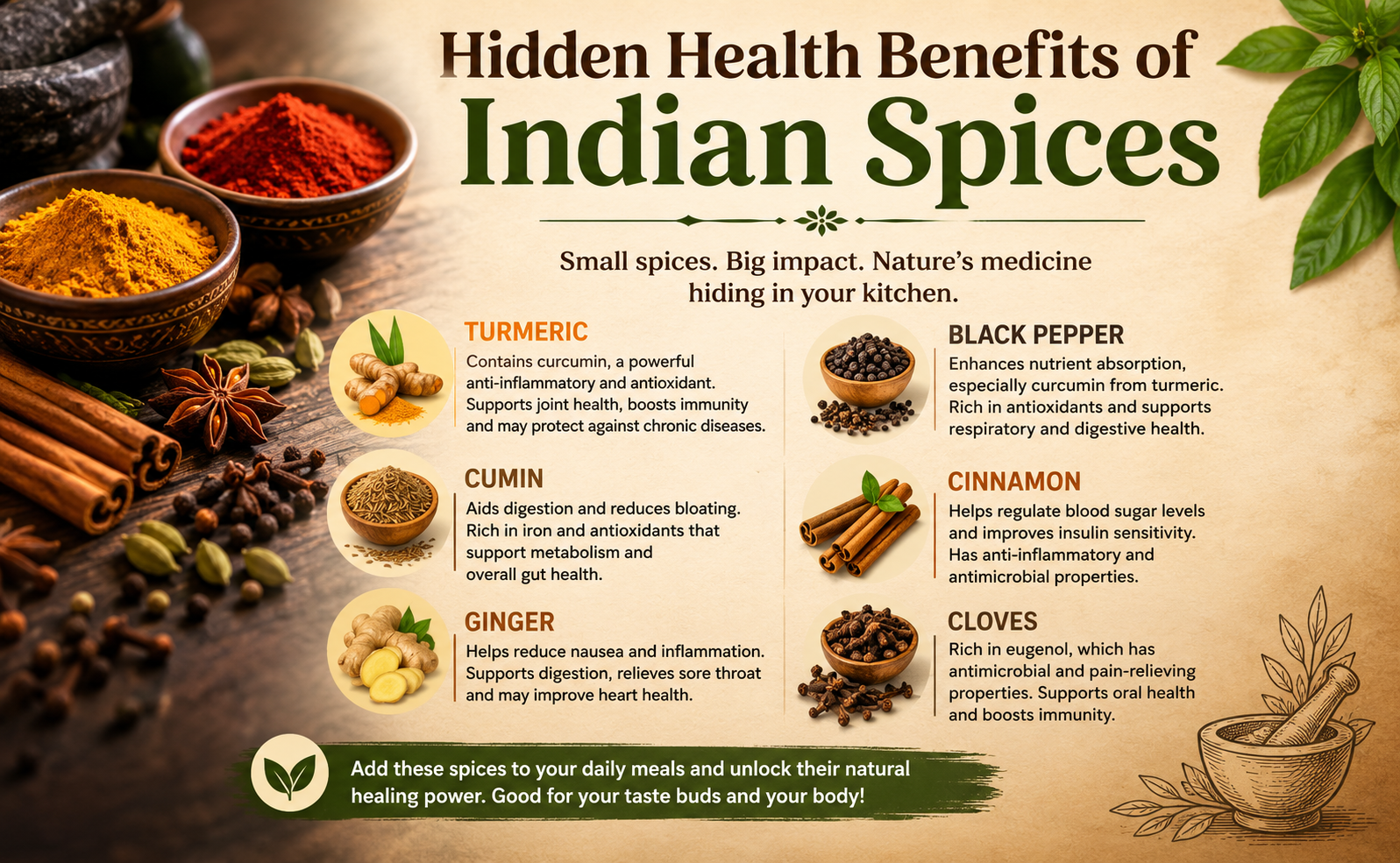
Indian cuisine is globally celebrated for its vibrant flavors, rich aromas, and incredible diversity. For centuries, cooks have relied on a specific arsenal of ingredients to transform simple vegetables and meats into unforgettable meals. Yet, the true value of these ingredients extends far beyond the kitchen.
Historically, traditional Ayurvedic medicine utilized these very same botanical elements to treat ailments, prevent disease, and promote overall longevity. Modern science is finally catching up with ancient wisdom. Researchers are actively studying the biochemical compounds found in common pantry staples, revealing a fascinating intersection between culinary arts and nutritional science.
Adding a pinch of turmeric or a dash of cumin to your meals does more than elevate the taste profile. It introduces powerful antioxidants, anti-inflammatory agents, and essential minerals into your digestive system. By understanding the hidden health benefits of Indian spices, you can easily turn your daily meals into a proactive approach to long-term wellness.
Table of Contents
Turmeric: The Golden Spice of Life
Turmeric gives curry its distinctive yellow color and earthy flavor. This root belongs to the ginger family and has served as a cornerstone of Indian cooking and medicine for thousands of years.
Curcumin and Inflammation
The main active ingredient in turmeric is curcumin. This compound is responsible for the spice’s vibrant hue and its most potent health benefits. Chronic inflammation plays a major role in almost every Western disease, including heart disease, cancer, and metabolic syndrome. Curcumin fights inflammation at the molecular level, matching the effectiveness of some anti-inflammatory drugs without the side effects. To maximize its absorption, always consume turmeric with black pepper. Black pepper contains piperine, which enhances curcumin absorption by up to 2,000 percent.
Boosting Brain Function
Curcumin also crosses the blood-brain barrier. It has been shown to boost levels of the brain hormone BDNF (Brain-Derived Neurotrophic Factor). This hormone encourages the growth of new neurons and fights various degenerative processes in the brain. Regular consumption of turmeric may help delay or even reverse age-related decreases in brain function, keeping your memory sharp.
Cumin: Digestion’s Best Friend
Cumin is a staple in both whole seed and ground forms. It provides a warm, nutty flavor that forms the base of many spice blends, including garam masala.
Rich Source of Iron
Iron deficiency is one of the most common nutrient deficiencies globally. Cumin seeds are naturally rich in iron, providing almost 20 percent of your daily requirement in just one teaspoon. Adding cumin to your diet is a simple way to support healthy red blood cells and prevent the fatigue associated with low iron levels.
Managing Blood Sugar
Some clinical studies suggest that cumin can help manage blood sugar levels. Compounds found in the seeds help stimulate the production of insulin, keeping blood sugar spikes in check after a meal. This makes cumin a highly valuable addition to the diets of individuals managing diabetes or looking to maintain steady energy levels throughout the day.
Coriander: Heart Health and Beyond
Coriander is unique because both its fresh leaves (cilantro) and dried seeds are used extensively in cooking. The seeds have a warm, citrusy flavor that pairs beautifully with heavy, rich dishes.
Lowering Cholesterol
Animal test-tube studies show that coriander extract may act as a diuretic, helping the body flush excess sodium and water. This process can lower your blood pressure. Furthermore, regular consumption of coriander seeds may help decrease LDL (bad) cholesterol while increasing HDL (good) cholesterol, providing a significant shield against heart disease.
Skin Soothing Properties
Coriander is packed with antioxidants that prevent cellular damage caused by free radicals. This spice also possesses antimicrobial properties that can help soothe skin ailments. Historically, coriander paste was applied to the skin to treat mild rashes and irritation. Eating the seeds helps fight oxidative stress from the inside out, promoting a clearer, healthier complexion.
Cardamom: The Sweet Antioxidant
Often referred to as the “Queen of Spices,” cardamom has a strong, sweet, and pungent flavor with hints of lemon and mint. It is widely used in both savory curries and sweet desserts.
Lowering Blood Pressure
Cardamom may be particularly helpful for individuals with high blood pressure. In one study, researchers gave three grams of cardamom powder a day to adults with newly diagnosed high blood pressure. After 12 weeks, blood pressure levels had significantly decreased to the normal range. The high levels of antioxidants in cardamom are believed to improve urination, which removes excess water that builds up in your body and elevates blood pressure.
Breath Freshener and Cavity Fighter
The use of cardamom to treat bad breath and improve oral health is an ancient tradition. Even today, chewing on cardamom pods is a common practice after meals in India. The spice contains compounds that fight five specific bacteria strains that cause dental cavities. By inhibiting the growth of these bacteria, cardamom acts as a natural protectant for your teeth and gums.
Fenugreek: The Metabolic Marvel
Fenugreek seeds have a slightly bitter, maple-syrup-like taste. They are frequently used in pickling spices and slow-cooked meat dishes.
Enhancing Milk Production
Fenugreek is perhaps best known for its ability to boost breast milk production in nursing mothers. Several studies indicate that drinking fenugreek tea or taking a supplement can significantly increase milk volume, helping babies gain weight appropriately.
Appetite Control
Fenugreek contains a high amount of soluble fiber. This fiber expands in the digestive tract, creating a feeling of fullness. Incorporating fenugreek into your meals can help curb cravings and reduce overall calorie intake. It also slows down the absorption of carbohydrates, making it another excellent spice for blood sugar regulation.
Frequently Asked Questions
Should I consume spices whole or ground?
Both forms offer health benefits. Whole spices retain their essential oils and flavor much longer than ground spices. For the best culinary and medicinal results, buy whole spices, toast them lightly in a dry pan to release their oils, and grind them yourself just before use.
Can eating too many spices be harmful?
Yes. While spices are incredibly healthy, they are potent. Consuming them in massive culinary quantities or taking highly concentrated supplements can cause gastrointestinal distress or interact with certain medications. Always consult a healthcare provider before taking spice-based supplements, especially if you are pregnant or managing a chronic illness.
How can I add more Indian spices to my daily diet?
You do not have to cook complex Indian curries to enjoy these benefits. You can sprinkle cinnamon on your morning oatmeal, add a pinch of turmeric and black pepper to your scrambled eggs, or roast your root vegetables with a dusting of cumin and coriander.
Spice Up Your Routine for Better Health
The spice rack sitting in your kitchen is actually a potent medicine cabinet. Ingredients like turmeric, cumin, coriander, and cardamom have quietly supported human health for millennia. By intentionally incorporating these flavorful botanicals into your cooking, you gain access to a wealth of antioxidants, anti-inflammatory compounds, and essential minerals.
Start small by picking one or two new spices to experiment with this week. Try adding cardamom to your coffee or roasting chickpeas with cumin and paprika. As you become more comfortable with these flavors, you will naturally discover new ways to make your meals both delicious and deeply nourishing.

