

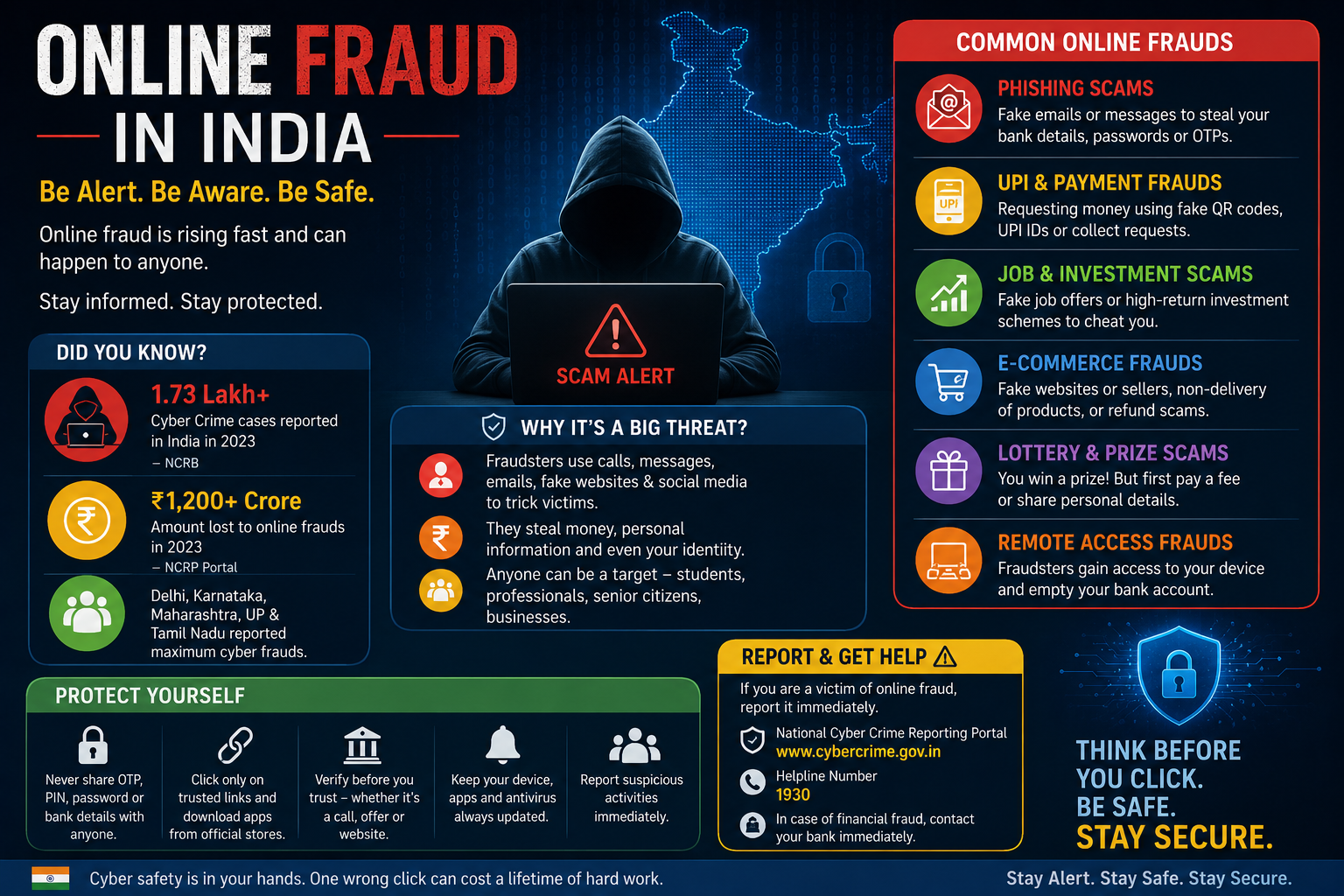
Digital adoption across India has transformed the way people learn, shop, and do business. Smartphones and affordable internet access have connected millions of citizens to the global economy. People can now pay for groceries with a quick scan, attend university lectures from their living rooms, and run marketing campaigns that reach across the country.
Table of Contents
Unfortunately, this rapid digital shift has also created a playground for cybercriminals. Scammers constantly develop new methods to steal money and personal information. They target everyone from college students looking for part-time work to experienced business owners managing large payrolls.
Understanding these threats is the most effective way to stay safe. Awareness acts as a shield against digital deception. When you know what a scam looks like, you can stop it before it causes any financial or reputational damage.
This comprehensive guide covers the landscape of online fraud in India. You will learn about the most common scams currently circulating and discover practical steps to protect your personal data, your business assets, and your peace of mind.
The Rise of Digital Scams in India
India’s transition to a digital-first economy happened at an unprecedented pace. Initiatives like the Unified Payments Interface (UPI) revolutionized daily transactions. However, this convenience brought a significant increase in cybercrime.
Fraudsters exploit the lack of digital literacy among new internet users. They also use sophisticated psychological manipulation to trick experienced internet users. Scammers often create a false sense of urgency, pressuring victims to act quickly without thinking. They might impersonate bank officials, government employees, or even well-known brand representatives.
The impact of these crimes goes beyond financial loss. Victims often experience severe stress, and businesses can suffer lasting damage to their reputations. Recognizing the specific types of fraud prevalent in India is the first step toward effective prevention.
Common Online Frauds Targeting Indians
Cybercriminals use a variety of tactics to deceive their victims. Here are some of the most widespread online scams currently affecting internet users in India.
Phishing and Smishing Attacks
Phishing involves sending fraudulent emails that appear to come from a legitimate source. The goal is to trick the recipient into revealing sensitive information, such as passwords or credit card numbers. Smishing is the exact same concept, but it uses SMS text messages instead of email.
In India, smishing is particularly common. You might receive a text message claiming your bank account will be suspended unless you click a link and update your KYC (Know Your Customer) details. The link leads to a fake website designed to steal your banking credentials.
UPI and Payment Gateway Scams
UPI has made transferring money incredibly easy. Unfortunately, scammers have found ways to exploit it. A frequent tactic involves the “request money” feature. A fraudster posing as a buyer on an online marketplace might tell a seller they are sending an advance payment. Instead of sending money, the scammer sends a UPI payment request. If the seller enters their UPI PIN without reading the screen carefully, money is deducted from their account instead of credited.
Fake Job Offers and Work-From-Home Scams
With many people looking for flexible employment, work-from-home scams have surged. Fraudsters often reach out via WhatsApp or Telegram, offering easy jobs like liking YouTube videos or writing simple reviews. They pay a small amount initially to build trust. Then, they ask the victim to “invest” money to unlock higher-paying tasks. Once the victim transfers a significant sum, the scammers disappear.
How Digital Marketers Can Protect Their Brands
Digital marketers face unique challenges when dealing with online fraud. Scammers often impersonate legitimate brands to trick consumers. This can severely damage the brand’s reputation and erode customer trust.
Marketers need to actively monitor their brand’s online presence. Set up alerts for your brand name to catch fake websites or social media profiles early. If you discover an account impersonating your business, report it to the platform immediately.
Educating your audience is also crucial. Use your official channels to inform customers about how your company communicates. Explicitly state that your brand will never ask for sensitive information like passwords or OTPs (One-Time Passwords) over social media or unsolicited emails. Clear communication helps your customers distinguish between your genuine marketing efforts and fraudulent campaigns.
Crucial Tips for Business Owners
Business owners must protect both their financial assets and their customer data. A data breach or a successful financial scam can cripple a growing company.
First, implement strong access controls. Not every employee needs access to all company data. Restrict access based on job roles. Require multi-factor authentication (MFA) for all business accounts, especially email and financial software.
Second, train your staff. Employees are often the first line of defense against cyberattacks. Conduct regular training sessions on how to identify phishing emails and social engineering tactics. Establish a clear protocol for verifying unusual payment requests, especially if they appear to come from senior management. A simple phone call to confirm an urgent wire transfer can save a business millions of rupees.
Advice for Students Navigating the Digital World
Students are frequent targets for specific types of online fraud. The desire for financial independence makes them vulnerable to fake job offers and scholarship scams.
Always verify opportunities independently. If you receive an email about a guaranteed scholarship that requires an application fee, be highly suspicious. Legitimate scholarships rarely ask for money upfront. Research the organization offering the scholarship or job thoroughly before sharing any personal details.
Be careful with your personal information on social media. Scammers can use details like your birth date, college name, and hometown to guess passwords or answer security questions. Keep your privacy settings strict and only accept requests from people you actually know.
Frequently Asked Questions (FAQ)
What should I do if I have shared my UPI PIN with a scammer?
Immediately contact your bank to block your account and freeze your UPI ID. You should also report the incident to the National Cyber Crime Reporting Portal or call the national cybercrime helpline at 1930.
How can I tell if a shopping website is fake?
Look for contact information; fake sites often lack a physical address or customer service number. Check the URL for subtle spelling mistakes. Read reviews from external sources, not just the testimonials on the site itself. If the prices seem unbelievably low, it is likely a scam.
Are digital marketers responsible if a scammer impersonates their brand?
Legally, brands are rarely held responsible for the actions of scammers impersonating them. However, the reputational damage can be severe. Proactive monitoring and customer education are essential to minimize this risk.
How do I verify a job offer received on WhatsApp?
Do not trust unsolicited job offers on messaging apps. Ask for the recruiter’s official corporate email address. Visit the company’s official website and look for the job posting on their careers page. You can also try calling the company’s main phone number to verify the recruiter’s identity.
Secure Your Digital Footprint Today
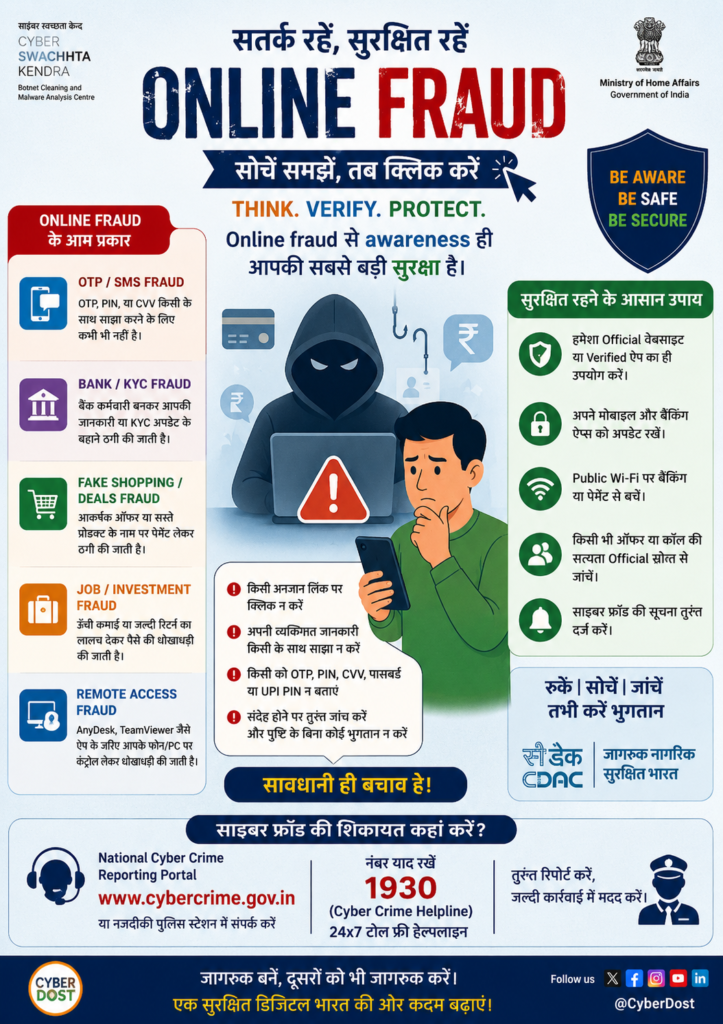
The digital landscape in India offers incredible opportunities for growth, learning, and connection. While the threat of online fraud is real, it should not prevent you from enjoying the benefits of a connected world.
By staying informed about the latest scam tactics, you significantly reduce your risk of becoming a victim. Always verify unexpected requests for money or personal information. Take the time to implement strong security measures for your personal and business accounts. Education and vigilance are your best tools for maintaining a safe and secure digital life.

