

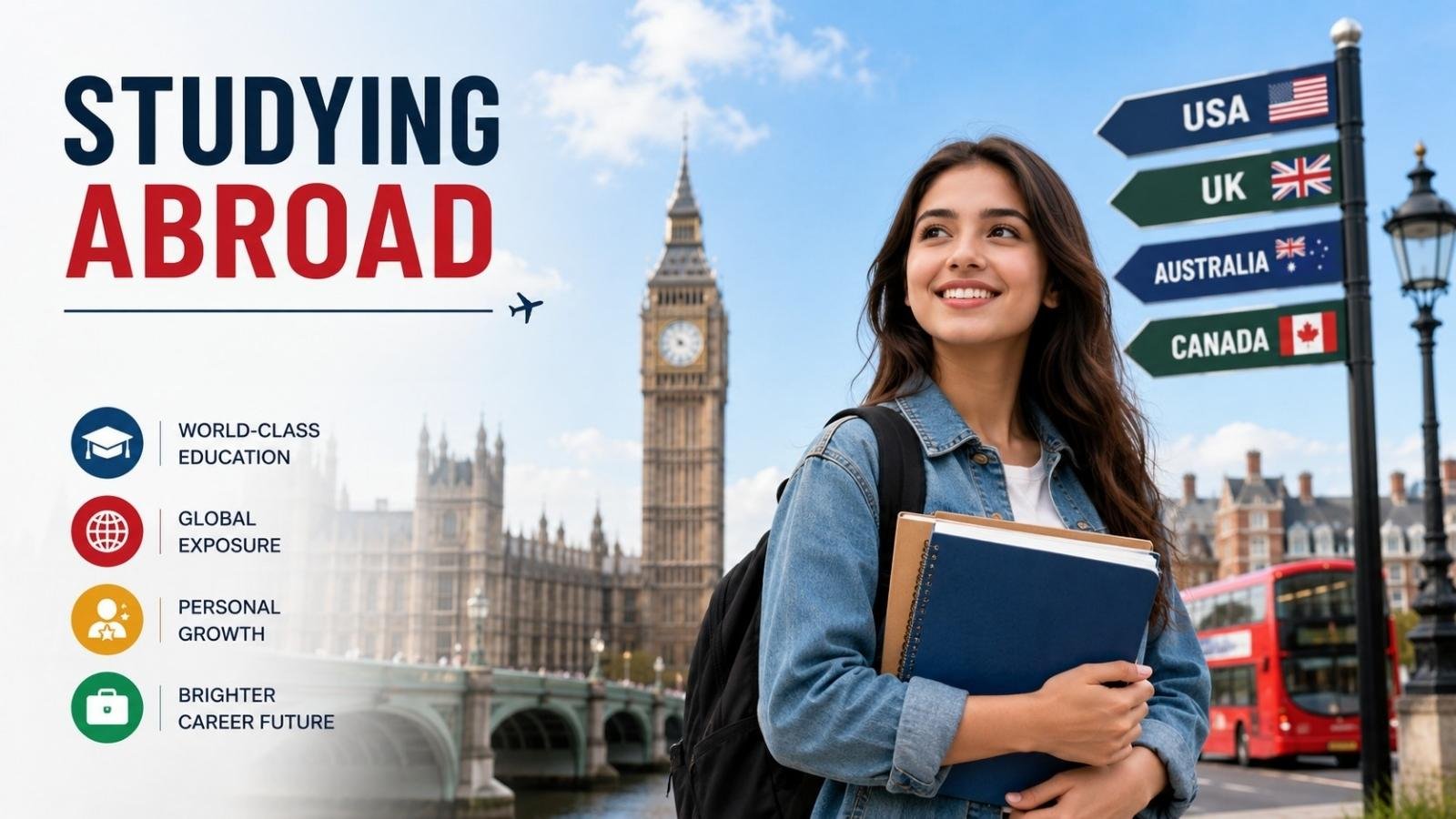
Studying Abroad Benefits That Shape Academic Excellence, Career Growth and Global Success
Studying abroad has evolved from being a privilege available to a select group of students into a widely accessible opportunity for learners from diverse backgrounds. In an increasingly interconnected world, international education provides students with the chance to gain academic knowledge while experiencing different cultures, languages, and lifestyles. Universities across the globe actively welcome international students, creating multicultural environments that foster collaboration, innovation, and personal growth.
The decision to study abroad is often motivated by a desire for high-quality education, exposure to global perspectives, and access to better career opportunities. Students who pursue education in another country gain valuable experiences that extend beyond classroom learning. They develop independence, adaptability, and cross-cultural communication skills that are highly valued in today’s global workforce. As educational institutions continue to expand international programs and scholarship opportunities, studying abroad remains one of the most transformative experiences available to students seeking personal and professional advancement.
Exploring the Academic Advantages That Make International Education an Attractive Option for Ambitious Students
One of the primary reasons students choose to study abroad is the opportunity to access world-class educational institutions and specialized academic programs. Many countries are known for excellence in specific fields, allowing students to pursue degrees that align closely with their career goals. Whether it is engineering, medicine, business, technology, arts, or social sciences, international universities often provide advanced facilities, experienced faculty, and innovative teaching methodologies that enhance the learning experience.
Studying abroad also exposes students to different educational systems and approaches to learning. Many universities encourage critical thinking, independent research, problem-solving, and collaborative projects. These experiences help students develop intellectual flexibility and a broader understanding of their chosen field. Access to international research opportunities, modern laboratories, and industry partnerships further strengthens academic development and prepares students for future challenges in their careers.
Learning New Cultures and Expanding Global Perspectives Through International Exposure and Diverse Experiences
One of the most rewarding aspects of studying abroad is cultural immersion. Living in a different country allows students to experience traditions, customs, values, and social norms that may differ significantly from those in their home country. This exposure broadens perspectives and encourages a deeper appreciation for cultural diversity.
Students often interact with classmates from various countries, creating opportunities to learn about different worldviews and lifestyles. These interactions foster mutual understanding, tolerance, and respect for diversity. Cultural immersion extends beyond university campuses, as students explore local communities, participate in cultural events, and engage in everyday activities that provide authentic experiences. Such exposure helps students become more open-minded and globally aware individuals capable of thriving in multicultural environments.
Developing Independence and Personal Growth While Navigating Life in a Foreign Country
Living abroad challenges students to step outside their comfort zones and manage daily responsibilities independently. From finding accommodation and managing finances to navigating transportation systems and adapting to a new environment, international students learn valuable life skills that contribute to personal growth.
The process of adapting to unfamiliar circumstances builds resilience and confidence. Students learn how to solve problems, make informed decisions, and overcome challenges without relying heavily on family support. These experiences often lead to increased self-awareness and maturity. By successfully managing life in a foreign country, students develop a sense of accomplishment and independence that benefits them throughout their lives.
Building Strong Language Skills Through Daily Communication and Academic Engagement in an International Environment
Language development is another significant advantage of studying abroad. Students who study in countries where a different language is spoken often improve their language proficiency through daily interactions and academic activities. Even those studying in English-speaking programs benefit from enhanced communication skills as they engage with diverse groups of people.
Immersion is one of the most effective ways to learn a language. Constant exposure to native speakers, local media, and real-world communication situations accelerates language acquisition. Improved language skills not only enhance academic performance but also increase employability and open doors to international career opportunities. Employers frequently value candidates who can communicate effectively across linguistic and cultural boundaries.
Understanding How International Education Enhances Career Opportunities and Employability in a Competitive Global Market
Employers increasingly seek candidates with international experience because such individuals often possess valuable skills that contribute to organizational success. Studying abroad demonstrates adaptability, cultural awareness, independence, and a willingness to embrace challenges. These qualities are highly attractive in a competitive job market where companies operate across multiple countries and cultures.
International education also provides opportunities to build professional networks and gain exposure to global industries. Many universities offer internships, industry collaborations, and career development programs that connect students with potential employers. Graduates with international experience often stand out during recruitment processes because they can bring diverse perspectives and innovative approaches to workplace challenges. As globalization continues to influence business operations, international education remains a powerful asset for career advancement.
Financial Planning Strategies That Help Students Successfully Manage the Costs Associated with Studying Abroad
While studying abroad offers numerous benefits, it also requires careful financial planning. Tuition fees, accommodation costs, travel expenses, health insurance, and daily living expenses can vary significantly depending on the destination country and institution. Understanding these costs in advance helps students create realistic budgets and avoid financial difficulties.
Many universities, governments, and private organizations offer scholarships, grants, and financial aid programs designed to support international students. Researching funding opportunities and applying early can significantly reduce educational expenses. Additionally, some countries allow international students to work part-time during their studies, providing an opportunity to gain work experience while earning supplemental income. Effective financial management ensures that students can focus on their academic goals while maintaining financial stability throughout their studies.
Choosing the Right Destination and Educational Institution Based on Academic Goals and Personal Preferences
Selecting the appropriate study destination is one of the most important decisions in the study abroad journey. Students should consider factors such as academic reputation, course offerings, language requirements, living costs, cultural environment, safety, and career opportunities when evaluating potential destinations.
Different countries offer unique advantages. Some are recognized for technological innovation, while others excel in research, healthcare, business education, or creative industries. Students should carefully research universities, compare programs, and evaluate long-term career benefits before making a decision. Visiting university websites, attending virtual information sessions, and speaking with current international students can provide valuable insights that support informed decision-making.
Overcoming Common Challenges Faced by International Students During Their Educational Journey Abroad
Although studying abroad is highly rewarding, students may encounter challenges during their transition to a new country. Homesickness, cultural adjustment, language barriers, academic pressure, and social integration difficulties are common experiences among international students. Recognizing these challenges and preparing for them can help students navigate the adjustment process more effectively.
Building a support network is essential for overcoming obstacles. Universities often provide counseling services, international student organizations, mentorship programs, and academic support resources that help students adapt to their new environment. Staying connected with family and friends while actively participating in campus activities can also ease the transition. With patience and perseverance, most students successfully adapt and eventually thrive in their new surroundings.
If you’re planning to pursue higher education from Bangladesh, read our comprehensive guide on studying abroad from Bangladesh, which covers destination choices, admission requirements, scholarships, student visas and practical tips for a successful application.
Creating Lifelong Friendships and International Networks That Extend Beyond Graduation and Professional Careers
One of the lasting benefits of studying abroad is the opportunity to form meaningful relationships with people from around the world. International students often develop friendships that transcend geographical boundaries and cultural differences. These relationships enrich personal experiences and contribute to a global network of contacts that may prove valuable in future academic and professional endeavors.
Networking opportunities are abundant in international educational settings. Students collaborate on projects, participate in student organizations, attend conferences, and engage in community activities that connect them with peers, professors, and industry professionals. These connections can lead to future collaborations, career opportunities, and lasting friendships that continue long after graduation.
Preparing for a Successful Study Abroad Experience Through Careful Planning and Informed Decision-Making
Successful study abroad experiences begin with thorough preparation. Students should start planning early by researching programs, understanding admission requirements, preparing application materials, and obtaining necessary visas and travel documents. Familiarizing themselves with the destination country’s culture, educational system, and lifestyle expectations can also facilitate a smoother transition.
Preparation extends beyond logistics. Developing realistic expectations, setting academic and personal goals, and maintaining an open mindset contribute significantly to a positive experience abroad. Students who approach international education with curiosity, flexibility, and determination are more likely to maximize the opportunities available to them and achieve meaningful personal and professional growth.
If you’re considering Japan as your study destination, explore this detailed guide on the benefits of studying in Japan, covering top universities, career opportunities, scholarships, cultural experiences, and why it’s a popular choice for international students.
Conclusion: Why Studying Abroad Remains One of the Most Valuable Investments in Education, Personal Development, and Future Success
Studying abroad is much more than earning a degree in another country. It is a transformative journey that combines academic achievement, cultural exploration, personal development, and professional advancement. Through international education, students gain knowledge, skills, and experiences that prepare them for success in an increasingly globalized world.
The benefits of studying abroad extend far beyond graduation. Students develop confidence, independence, cultural awareness, and global perspectives that enrich both their personal and professional lives. While challenges may arise, the rewards often outweigh the difficulties, making study abroad one of the most valuable investments a student can make in their future. As global opportunities continue to expand, studying abroad remains a powerful pathway toward achieving educational excellence and lifelong success.
Shop authentic Japanese essentials, gifts, and favorites from Amazon Japan at HinodeMart.com. Secure shopping. Reliable delivery.

