

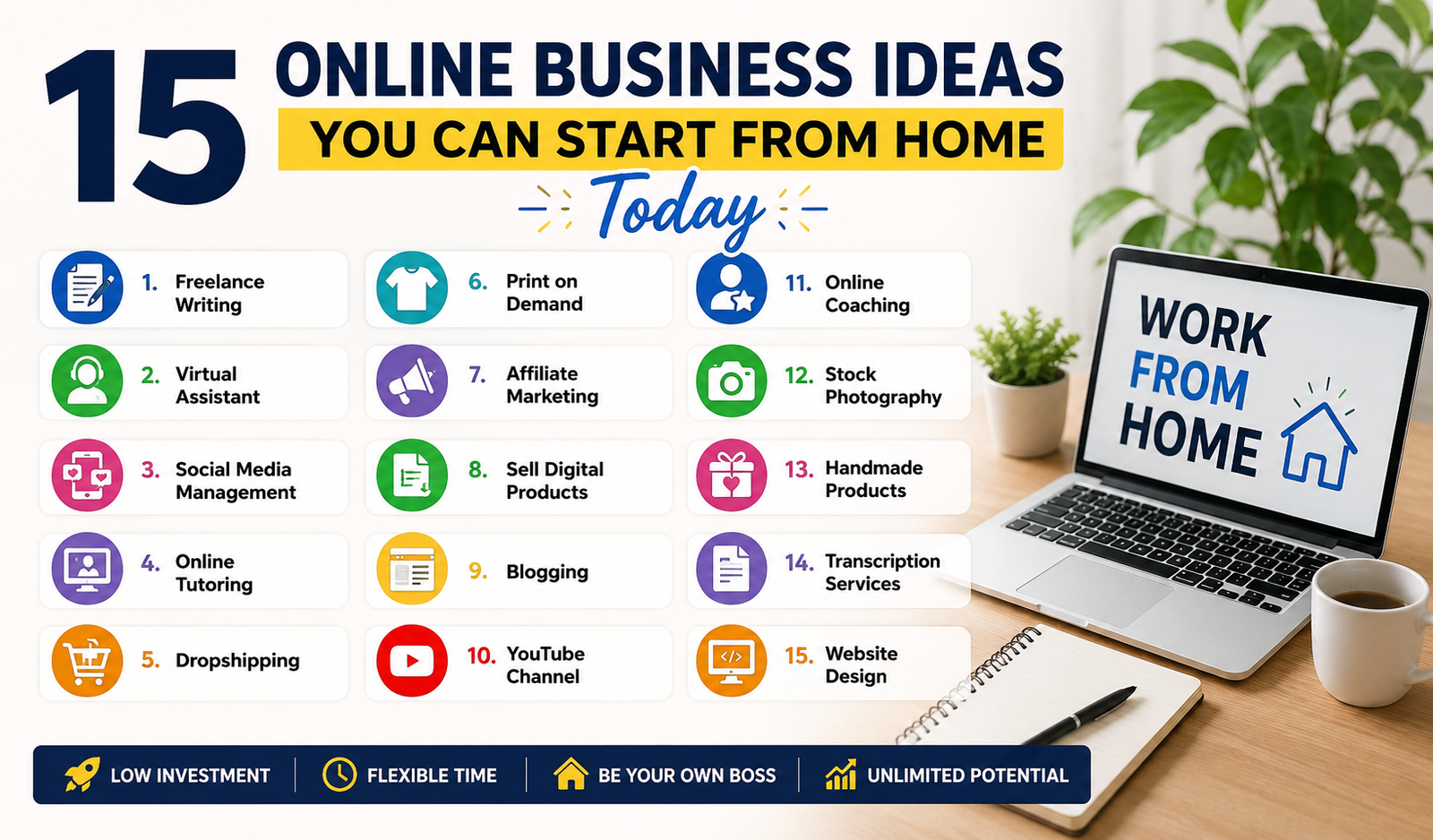
Starting a business from the comfort of your living room is more accessible now than at any other point in history. You no longer need a massive amount of startup capital, a physical storefront, or a large team to get a company off the ground. All you really need is a reliable internet connection, a computer, and a solid plan.
Many professionals are leaving traditional office jobs in search of greater autonomy and flexibility. Building an online business allows you to set your own hours, choose your clients, and scale at a pace that makes sense for your lifestyle. The initial barrier to entry is incredibly low for many digital ventures.
Finding the right concept is often the hardest part of the process. You want a venture that aligns with your existing skills but also has a proven market demand. Some models require significant time upfront to build an audience, while others allow you to start earning money almost immediately by offering specialized services.
This guide covers a variety of online business ideas you can start from home. From freelance services to digital product creation, you will find options tailored to different skill levels, interests, and income goals.
Table of Contents
Freelancing and Service-Based Businesses
Offering a service is one of the fastest ways to generate income online. You trade your time and expertise for money, keeping overhead costs extremely low.
1. Freelance Writing and Editing
Every company with a website needs content. Businesses constantly look for capable writers to craft blog posts, email newsletters, product descriptions, and white papers. If you have a strong grasp of grammar and a knack for storytelling, freelance writing offers a lucrative path. You can start by building a portfolio on platforms like Upwork or pitching directly to marketing agencies.
2. Graphic Design
Visual communication is highly valued across all industries. Brands need logos, social media graphics, website layouts, and promotional materials. If you know how to use tools like Adobe Illustrator or Canva, you can offer design services to clients globally. Building a strong portfolio website will help you attract higher-paying clients over time.
3. Virtual Assistance
Entrepreneurs and executives frequently outsource administrative tasks to free up their schedules. As a virtual assistant, you might manage emails, schedule appointments, handle basic bookkeeping, or organize digital files. Strong organizational skills and clear communication are the main requirements for this role.
4. Social Media Management
Many small business owners struggle to maintain a consistent presence on platforms like Instagram, LinkedIn, and TikTok. If you understand how social algorithms work and enjoy creating engaging posts, you can manage these accounts for them. Services often include content creation, scheduling, and community engagement.
E-commerce and Retail
Selling physical products online does not necessarily mean filling your garage with inventory. Several modern fulfillment methods make e-commerce highly manageable from home.
5. Dropshipping
Dropshipping allows you to sell products without ever touching the inventory. When a customer places an order on your website, the supplier ships the item directly to them. Your primary focus becomes marketing and customer acquisition. Success in dropshipping requires finding reliable suppliers and identifying profitable niche markets.
6. Print-on-Demand
Similar to dropshipping, print-on-demand involves selling custom designs on products like t-shirts, mugs, and phone cases. The items are only printed and shipped after a sale is made. You can focus entirely on creating appealing designs and driving traffic to your store through social media advertising.
7. Handmade Goods and Crafts
If you enjoy making jewelry, candles, art, or clothing, you can turn that hobby into a business. Platforms like Etsy provide a massive built-in audience actively searching for unique, handcrafted items. Quality photography and detailed product descriptions will help your listings stand out from the competition.
Digital Products and Education
Creating digital assets allows you to build a business with incredibly high profit margins. You create the product once and sell it an infinite number of times.
8. Creating Online Courses
People are always looking to learn new skills. If you have expertise in a specific area—whether it is coding, photography, or personal finance—you can package that knowledge into a video course. Platforms like Teachable and Udemy make it easy to host your content and manage student payments.
9. Selling E-books and Templates
Written guides, industry reports, and downloadable templates are highly sought after. A graphic designer might sell resume templates, while a business consultant might write an e-book on effective leadership. These products provide passive income once the initial creation phase is complete.
10. Tutoring and Coaching
You can offer one-on-one guidance via video calls. Academic tutoring is always in demand for students of all ages. Alternatively, you can offer life coaching, career counseling, or business consulting to adults looking for personalized support and accountability.
Tech and Development
The demand for technical skills continues to outpace the supply of qualified professionals. If you have coding experience, you have highly marketable skills.
11. Web Development
New businesses launch every day, and they all need websites. You can build custom sites using platforms like WordPress, Shopify, or Webflow. Offering ongoing maintenance packages can provide a steady stream of recurring revenue on top of your initial build fees.
12. App Development
Mobile applications remain a massive industry. If you know how to code for iOS or Android, you can build apps for clients or develop your own software to sell in the app stores. Even simple utility apps can generate significant income if they solve a specific problem for users.
Content Creation
Building an audience takes time, but it offers multiple monetization avenues once established.
13. Blogging
Starting a blog allows you to share your thoughts, reviews, and tutorials with the world. You can monetize a successful blog through display advertising, affiliate marketing, and sponsored posts. The key is choosing a specific niche and consistently publishing search-engine-optimized content.
14. YouTube Channel
Video content dominates the internet. Starting a YouTube channel requires minimal equipment—often just a smartphone and a cheap microphone. As your subscriber base grows, you can earn money through YouTube’s ad network, brand sponsorships, and merchandise sales.
15. Podcasting
Audio content is perfect for consumers looking to learn or be entertained while commuting or exercising. You can start an interview show, a storytelling series, or an educational podcast. Monetization typically comes through audio advertisements, listener donations, and premium subscriber-only episodes.
Take the First Step Toward Your New Business
Choosing the right idea is only the beginning. The most crucial factor in building a successful online business from home is execution. Take the time to research your target audience, analyze your competitors, and create a straightforward business plan.
Start small and validate your idea before investing significant money into software or advertising. Reach out to your existing network to find your first few clients or customers. As you gain experience and gather feedback, you can refine your offerings and begin scaling your operations. The opportunity to build a profitable, flexible career is entirely within your reach.

