

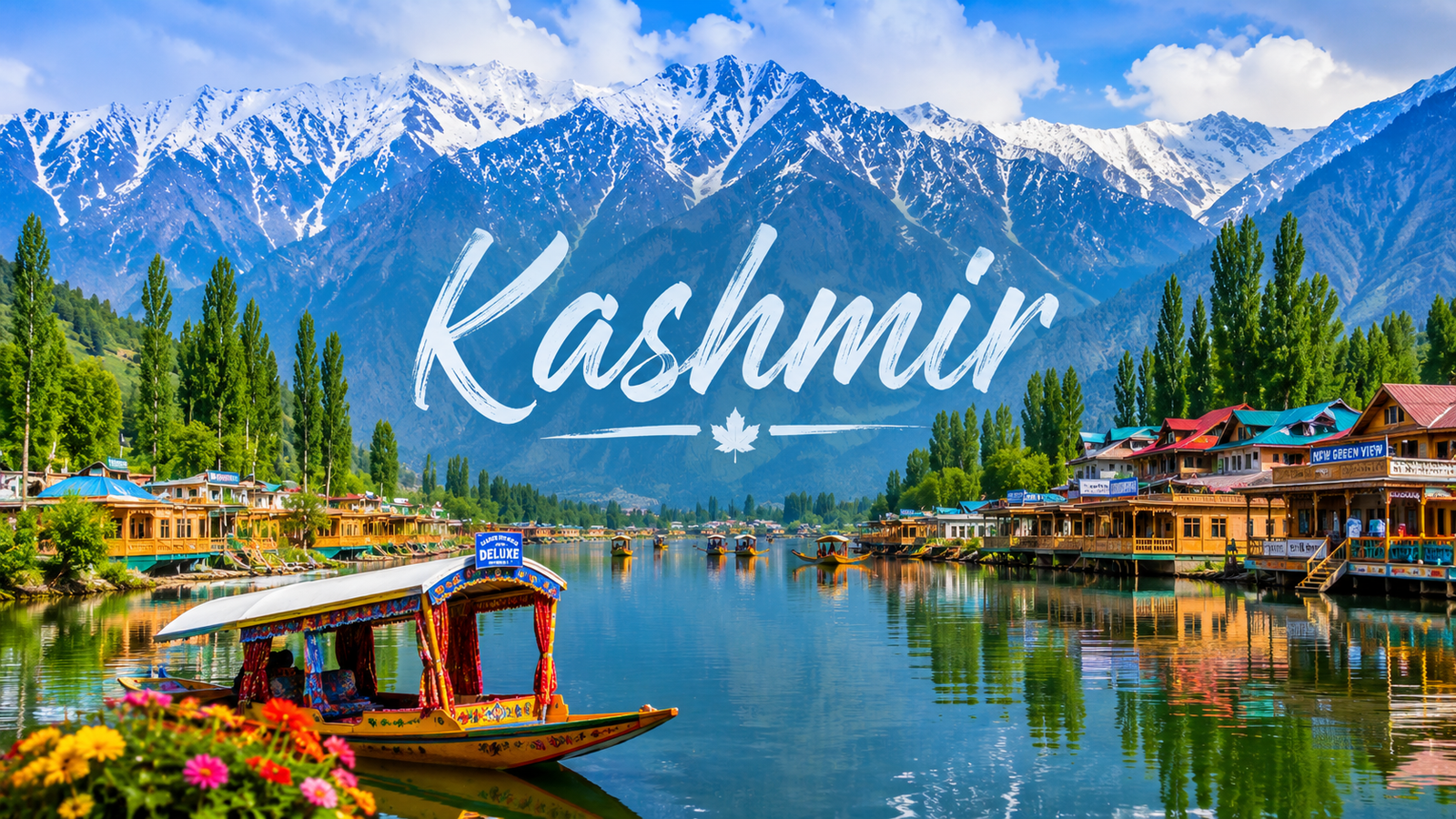
Kashmir, often called “Paradise on Earth,” is a stunning Himalayan destination in northern India offering breathtaking landscapes, rich culture, and year-round travel opportunities. The best time to visit is April–June for spring blooms or October for autumn foliage. Visitors need an Inner Line Permit for certain restricted areas, and Srinagar serves as the main entry point.
Few places on Earth earn a nickname like “Paradise on Earth” and actually deliver on it. Kashmir does. Nestled in the northernmost reaches of India, this Himalayan region rewards travelers with snow-dusted mountain peaks, mirror-calm lakes, saffron fields, and a culture that feels unlike anywhere else in the world. Whether you’re cruising Dal Lake on a shikara at sunrise or trekking through the meadows of Gulmarg, Kashmir has a way of leaving a mark on you long after you’ve returned home.
But planning a trip here requires more than just booking a flight. Kashmir’s geography, climate, and permit requirements make it one of those destinations where preparation really pays off. This guide covers everything—from when to go and what to pack to where to stay and which hidden gems are worth the extra effort in 2026.
What Makes Kashmir One of the Most Beautiful Travel Destinations in Asia?
Kashmir spans roughly 42,241 square kilometers and sits at an average elevation of 1,585 meters above sea level—high enough that the air feels crisp even in summer. The Kashmir Valley, cradled by the Pir Panjal Range to the south and the Great Himalayas to the north, is the heart of the region and home to its most iconic sights.
Dal Lake alone is reason enough to visit. Stretching across 18 square kilometers in the heart of Srinagar, the lake is home to hundreds of intricately carved wooden houseboats and a floating vegetable market that opens before most people have had their morning coffee. The Mughal Gardens—Shalimar Bagh, Nishat Bagh, and Chashme Shahi—date back to the 17th century and remain some of the finest examples of Mughal landscape architecture in existence.
Beyond Srinagar, the valley opens up into sweeping grasslands, alpine forests, and mountain passes that have drawn explorers, pilgrims, and photographers for centuries. Gulmarg, Pahalgam, and Sonamarg are the three most visited hill stations, each offering a completely different experience and landscape.
When Is the Best Time to Visit Kashmir for Different Types of Travelers?
The answer depends entirely on what you want from your trip. Kashmir is genuinely a four-season destination—each one transforming the landscape in a different way.
Spring (April to June) is widely considered the best overall time to visit. Temperatures range from 10°C to 25°C, almond and cherry blossoms fill the valleys, and the famous tulip garden in Srinagar—Asia’s largest tulip garden—bursts into color from late March through April. In 2026, the Indira Gandhi Memorial Tulip Garden is expected to feature over 1.5 million tulips across 24 varieties, making it a bucket-list stop on its own.
Summer (June to August) brings warmth and longer days, ideal for trekking, river rafting on the Lidder River in Pahalgam, and gondola rides in Gulmarg. However, July and August also mark the beginning of the monsoon fringe, bringing occasional rainfall and sometimes reduced visibility in higher elevations.
Autumn (September to November) is the sleeper hit. The chinar trees—a species synonymous with Kashmiri identity—turn amber and copper, blanketing the valley in warm hues. Saffron harvesting season kicks off in October around Pampore, and the crowds thinning out means better rates, quieter houseboats, and a more contemplative experience overall.
Winter (December to February) is for skiers and snow lovers. Gulmarg transforms into one of the highest ski resorts in the world, with the Gulmarg Gondola climbing to approximately 3,980 meters. Snowfall can be heavy and roads sometimes close, so flexibility is essential.
How to Get to Kashmir: Flights, Trains, and Road Routes in 2026
Srinagar International Airport (SXR) is the primary gateway to Kashmir and connects directly to major Indian cities including Delhi, Mumbai, Bangalore, and Kolkata. IndiGo, Air India, SpiceJet, and Vistara all operate regular flights, with Delhi to Srinagar taking approximately 1 hour and 20 minutes.
For travelers preferring surface routes, the Banihal–Qazigund rail link connects Jammu to Banihal via the Pir Panjal tunnel, one of India’s longest railway tunnels at 11.2 kilometers. From Banihal, road transport covers the final stretch into the valley. The Jammu–Srinagar National Highway (NH44) passes through stunning mountain terrain, though landslides during monsoon can cause delays, so always check road conditions before departure.
International visitors fly into Delhi or Mumbai and connect onward to Srinagar. As of 2026, no direct international flights operate into Srinagar, though connectivity continues to improve.
Which Permits Do You Need to Travel to Kashmir in 2026?
Most domestic Indian travelers can visit the Kashmir Valley without any special permits. However, certain areas—particularly near the Line of Control and in Ladakh—require an Inner Line Permit (ILP). Foreign nationals need a Protected Area Permit (PAP) for some restricted zones.
For areas like Gurez Valley, Lolab Valley, and parts of the Kishtwar district, domestic tourists need to register with local authorities or obtain travel permissions in advance. The process has been simplified significantly and can now be completed through district tourism offices or online portals managed by the Jammu & Kashmir Tourism Department (jktourism.org).
It’s worth checking the latest travel advisories from your country’s foreign affairs department before departure, as conditions in the region can change.
Top Places to Visit in the Kashmir Valley That Most Travel Guides Skip
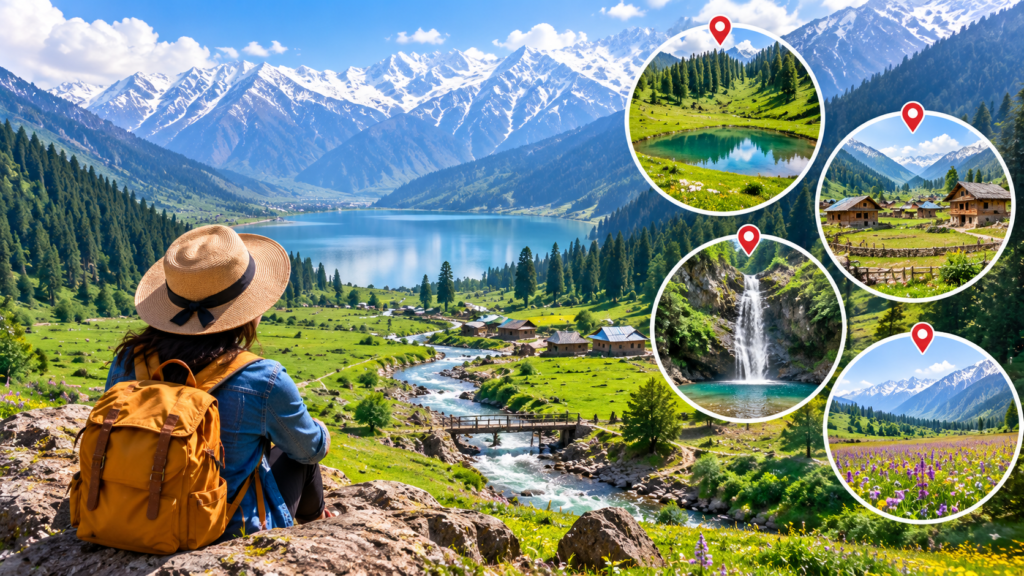
Srinagar, Gulmarg, Pahalgam, and Sonamarg get most of the attention—and for good reason. But Kashmir has layers, and the most memorable experiences often happen away from the well-worn trail.
Doodhpathri (“Valley of Milk”) sits about 42 kilometers from Srinagar and remains largely tourist-free. The meadows here are carpeted in wildflowers from May through July, fed by milky streams that give the valley its name. Day trips from Srinagar are easy, and the quiet is striking.
Yusmarg, another underexplored meadow, sits at 2,700 meters and offers pony rides, trout fishing, and panoramic Himalayan views without the crowds of Gulmarg.
Gurez Valley, near the Line of Control in the north, requires a permit but delivers dramatic landscapes, ancient Dard-Shin culture, and the Kishanganga River cutting through narrow gorges. Infrastructure is limited, which keeps visitor numbers low—and the experience raw and authentic.
Bangus Valley in Kupwara district is one of the last untouched alpine meadows in the region. Local guides recommend visiting between May and September before snow closes the access route.
Where to Stay in Kashmir: Houseboats, Boutique Hotels and Mountain Retreats
Staying on a houseboat on Dal Lake or Nagin Lake is a Kashmiri rite of passage. These ornately carved wooden structures—some dating back over a century—range from basic to luxury. Reputable heritage houseboats like Houseboat Young Island and Houseboat New Panorama have maintained high standards for decades. Rates for 2026 typically range from ₹2,500 to ₹15,000 per night depending on category and season.
On land, Srinagar’s old city offers boutique guesthouses within converted heritage homes called “kothas.” The Bund, the colonial-era promenade along the Jhelum River, has several mid-range properties with direct river views.
For Gulmarg, Hotel Highlands Park and The Khyber Himalayan Resort & Spa are established options near the gondola base. Pahalgam has a mix of mountain lodges and JKTDC (Jammu & Kashmir Tourism Development Corporation) bungalows at multiple price points.
Booking in advance is strongly recommended between May and September and during the winter ski season, when availability tightens quickly.
What to Eat in Kashmir: A Food Guide to the Region’s Most Iconic Dishes
Kashmiri cuisine is an event. Wazwan—the traditional multi-course feast prepared by a master chef called a Waza—can include up to 36 dishes, with lamb at the center of most of them. Rogan Josh, Yakhni, Gushtaba (minced lamb balls in yogurt gravy), and Dum Aloo are staples of any serious Kashmiri meal.
Street food in Srinagar’s old city revolves around noon chai—a salty, pink tea brewed with Kashmiri tea leaves and bicarbonate of soda—and kulcha bread from bakeries that open before dawn. The Hazratbal area near the shrine of the same name has some of the best street-side bakeries in the city.
For a full Wazwan experience, a few restaurants in Srinagar serve it for groups upon prior reservation. Mughal Darbar on Residency Road and Ahdoos Restaurant are two well-regarded options that have served traditional Wazwan for several decades.
Practical Tips for Visiting Kashmir Safely and Respectfully in 2026
A few practical details can make a significant difference to your experience.
Mobile connectivity has improved considerably in recent years. Jio, Airtel, and BSNL all have reasonable coverage across the valley, though signals can drop in remote trekking zones. Carry a local SIM purchased at the airport or in Srinagar city.
Cash is king in rural areas, markets, and with shikara operators. While Srinagar’s hotels and larger restaurants accept UPI and cards, ATMs can be sparse outside the city. Carry enough cash for day-to-day expenses.
Dress modestly, especially near shrines and mosques. The Hazratbal Shrine and the Jamia Masjid in Srinagar’s old city require covered heads and modest clothing for entry. Women should carry a scarf.
Bargaining is standard in markets like Lal Chowk and the old city bazaars, particularly for Pashmina shawls, walnut wood carvings, and Kashmiri carpets. Authentic Pashmina carries a GI (Geographical Indication) tag—ask for it when purchasing.
Frequently Asked Questions About Traveling to Kashmir in 2026
Is Kashmir safe to visit in 2026?
The Kashmir Valley, particularly Srinagar and the major tourist destinations of Gulmarg, Pahalgam, and Sonamarg, has seen a significant increase in tourist arrivals in recent years and is generally considered safe for domestic and international travelers. Kashmiri tourism welcomed over 2 million visitors in 2023, a record at the time. Always check your government’s travel advisory before departure, particularly for areas near the Line of Control.
Do foreign nationals need a special permit to visit Kashmir?
Most foreign nationals can visit the main Kashmir Valley without a special permit. However, some restricted areas near borders require a Protected Area Permit (PAP), which can be obtained through the Foreigners Regional Registration Office (FRRO) or local district authorities.
How many days do you need to explore Kashmir properly?
A minimum of 7 days is recommended to cover Srinagar, Gulmarg, and Pahalgam comfortably. Ten to fourteen days allows for day trips to lesser-known valleys like Doodhpathri or Gurez, and more time to explore Srinagar’s old city at a relaxed pace.
What is the best way to get around Kashmir?
Hiring a private cab for the duration of your trip is the most flexible and commonly used option. Auto-rickshaws and shikaras are ideal within Srinagar, while shared SUVs (Sumos) connect the valley’s main towns at affordable rates. App-based cabs like Ola are available in Srinagar.
Can you trek independently in Kashmir, or do you need a guide?
Popular treks like the Tarsar Marsar and Kashmir Great Lakes Trail require a registered guide and are best done through an authorized trekking agency. Independent trekking is possible on shorter, well-marked trails around Pahalgam and Sonamarg, but a local guide adds safety and context, especially on multi-day routes.
Start Planning Your Kashmir Trip: The Valley Is Ready When You Are
Kashmir doesn’t fit neatly into a single travel category—it’s part alpine wilderness, part living history, part culinary adventure, and entirely unforgettable. The logistics are manageable, the hospitality is genuine, and the landscapes justify every bit of effort it takes to get there.
Start by choosing your season based on what matters most to you—blooms, snow, solitude, or harvest. Book your houseboat or hotel early if you’re traveling between May and September. Get your permits sorted in advance for any restricted areas. And leave room in your itinerary for the unexpected, because in Kashmir, the best moments rarely appear in any guidebook.
For official information on permits, itineraries, and registered guides, visit the Jammu & Kashmir Tourism Department at jktourism.org.

