

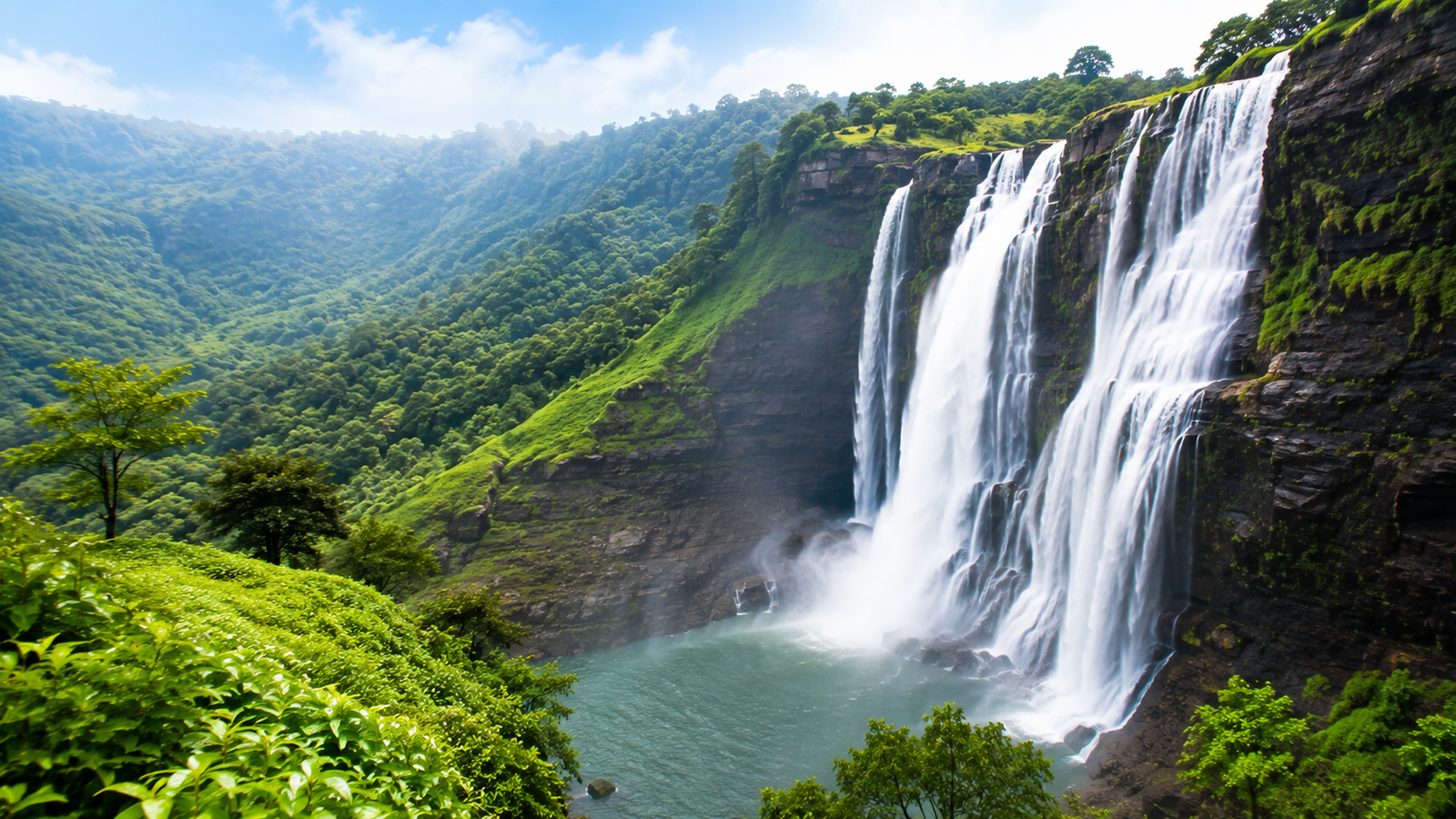
Maharashtra is home to dozens of lesser-known waterfalls tucked inside dense forests, mountain valleys, and wildlife corridors. From Lingmala Falls in Mahabaleshwar to the secluded Pandavkada in Khopoli, these hidden gems offer breathtaking natural beauty away from the crowds—especially during and after the monsoon season (June–October).
Maharashtra is one of India’s most geographically diverse states. Most travelers know it for Mumbai’s skyline, Pune’s cafes, and the ancient caves of Ajanta and Ellora. What far fewer people know is that the Western Ghats—running along Maharashtra’s western edge—hide some of the most spectacular waterfalls on the subcontinent. These aren’t the famous tourist spots plastered across travel brochures. These are the falls you stumble upon after a two-hour hike through mist-soaked jungle, the ones locals visit on quiet Sunday mornings, the ones that reward the curious traveler.
This guide covers the best hidden waterfalls in Maharashtra for 2026, including where they are, how to get there, when to visit, and what to expect when you arrive. Whether you’re a seasoned trekker or a weekend explorer looking for something beyond the usual itinerary, this post will help you plan an unforgettable waterfall chase across one of India’s most underrated natural landscapes.
What Makes Maharashtra’s Hidden Waterfalls Worth the Trek?
The Western Ghats, a UNESCO World Heritage Site since 2012, stretch approximately 1,600 kilometers along India’s western coast. A significant portion of this mountain range passes through Maharashtra, and it is this geography that gives birth to the state’s many waterfalls. During the monsoon season—typically June through October—rainfall in the Ghats can exceed 3,000 mm in some areas, turning seasonal streams into thundering cascades.
What sets Maharashtra’s hidden waterfalls apart from popular tourist sites is the quality of the experience. There are no ticket counters, no souvenir stalls, and no hour-long queues for photographs. Instead, you get dense forest canopy, the sound of rushing water, and the kind of stillness that’s increasingly hard to find. For travelers who value authenticity over accessibility, these spots deliver something genuinely rare.
Where Are the Most Stunning Hidden Waterfalls in Maharashtra?
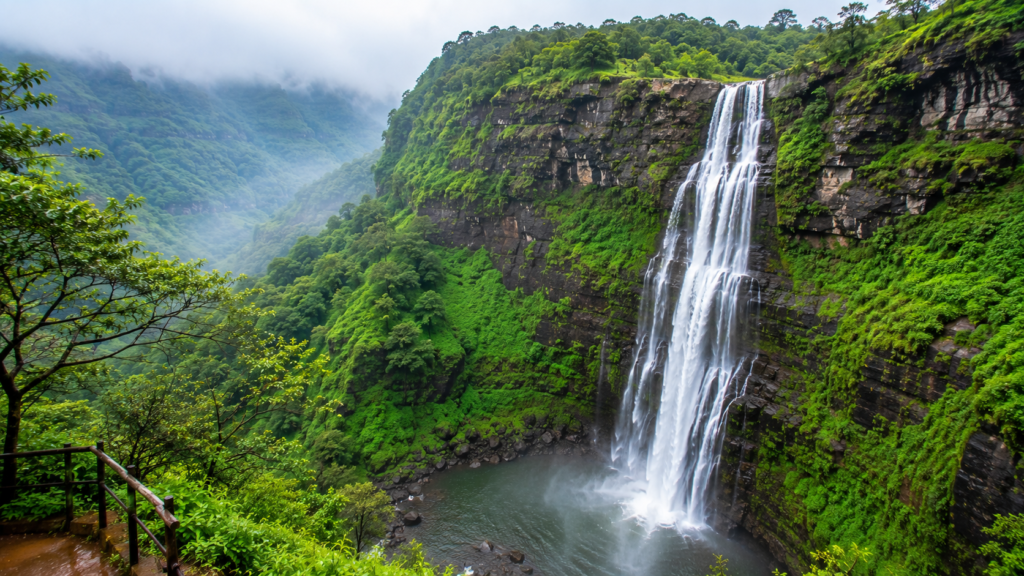
Lingmala Waterfall, Mahabaleshwar — What Makes It Different from the Crowd?
Most visitors to Mahabaleshwar know about Lingmala Falls, but far fewer make it past the main viewing platform to the upper section of the waterfall. The upper trail, which requires a short but steep hike through dense forest, leads to a quieter pool area where the falls drop approximately 500 feet in two cascades. The lower falls are accessible to most visitors, but the upper section is genuinely rewarding for those willing to go further.
Best time to visit: July to September, when water volume is at its peak. The Maharashtra Tourism Development Corporation (MTDC) recommends early morning visits to Mahabaleshwar to avoid afternoon crowds.
How to get there: Mahabaleshwar is roughly 120 km from Pune. Take NH48 toward Satara, then follow signs toward Mahabaleshwar. The Lingmala falls parking area is about 6 km from the main town center.
Pandavkada Waterfall, Khopoli — Is This Maharashtra’s Most Underrated Cascade?
Located near the industrial town of Khopoli in the Raigad district, Pandavkada Waterfall drops approximately 107 meters into a rocky gorge—making it one of the tallest waterfalls in the Mumbai–Pune region. Despite its impressive scale, it remains largely off the radar for most tourists. The falls are named after the legendary Pandavas of the Mahabharata, and local mythology holds that the warriors rested here during their exile.
The surrounding area is part of the Khandala plateau and features dense scrub forest and basalt rock formations. The trail to the falls takes roughly 45 minutes from the nearest road access point and involves some moderate scrambling over rocky terrain. Monsoon is when Pandavkada is at its most dramatic, with water crashing loudly into the basin below.
How to get there: From Mumbai, take the Mumbai–Pune Expressway and exit at Khopoli. The falls are about 8 km from the highway exit, and local guides near the village entrance can point you in the right direction.
Vajrai Waterfall, Satara — Why Is This One of the Tallest Waterfalls in India?
Vajrai Waterfall, located near the village of Bamnoli in Satara district, stands at approximately 853 meters—making it one of the tallest waterfalls in India. The falls are fed by water from Koyna Dam and cascade down in three distinct stages through a densely forested valley. Despite its extraordinary height, Vajrai remains relatively unknown outside Maharashtra’s trekking community.
Access to Vajrai involves a boat ride across the Koyna Reservoir from Bamnoli village, followed by a two-hour trek through the forest. The experience is more expedition than day trip, and that’s exactly the point. Guides from Bamnoli village (available at the boat jetty) can navigate the trail, which is not well-marked and can be slippery during peak monsoon.
Best time to visit: August and September, after the initial monsoon surge has settled slightly and the falls are at full volume without being dangerously flooded.
Randha Falls, Bhandardara — What Should You Know Before Visiting?
Bhandardara is a popular hill station roughly 180 km from Mumbai, but most visitors stick to Arthur Lake and the surrounding viewpoints. Randha Falls, located just 8 km from Bhandardara, sits on the Pravara River and drops around 170 feet over a wide basalt ledge. During heavy monsoon flow, the falls widen dramatically and the surrounding area becomes a sheet of white mist.
A word of caution: the observation area at Randha Falls can become slippery during peak monsoon. The Maharashtra government has installed safety barriers along the main viewpoint, but trekkers venturing off the marked path should exercise caution. Swimming in the plunge pool is not recommended during or immediately after heavy rainfall.
How to get there: From Mumbai, take NH60 toward Igatpuri, then continue toward Bhandardara. Randha Falls is signposted from the main Bhandardara road.
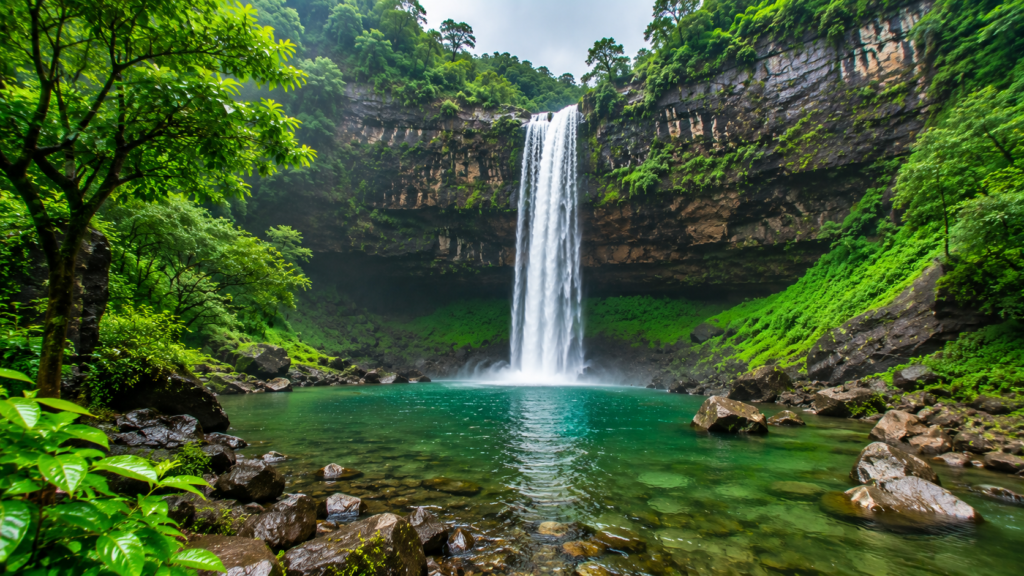
Devkund Waterfall, Bhira — Why Do Experienced Trekkers Rate This as Maharashtra’s Best Hidden Gem?
Ask any experienced hiker in the Mumbai–Pune region to name Maharashtra’s most beautiful hidden waterfall, and Devkund will almost certainly come up. Located near the village of Bhira in Raigad district, Devkund is a pristine emerald pool fed by a 80-foot waterfall surrounded by dense tropical forest. The water in the pool, sourced directly from the Tamhini Ghat, is a striking shade of turquoise-green—a color that seems almost digitally enhanced in photographs but is entirely natural.
The trek to Devkund takes approximately 3–4 hours round trip from the base village and passes through some of the most biodiverse forest in the Western Ghats. The trail crosses multiple small streams and involves some light bushwacking in sections, so sturdy footwear is essential. Local guides from Bhira village are available and highly recommended, both for navigation and for minimizing environmental impact in this sensitive ecosystem.
How to get there: From Pune, take the Tamhini Ghat road toward Mulshi. Continue past Mulshi Lake toward Bhira village. The trek start point is accessible from the village road.
When Is the Best Time to Visit Hidden Waterfalls in Maharashtra?
Timing is everything when it comes to waterfall trekking in Maharashtra. The monsoon season (June–October) delivers the most spectacular water volumes, but it also brings slippery trails, leeches, and the occasional flash flood risk. For most hidden waterfalls listed here, the sweet spot is August to early October, when rainfall has been established for several weeks but the most violent storms of early monsoon have passed.
The post-monsoon period (October–November) is ideal for those who prefer safer trail conditions with still-impressive water flow. By December, many smaller waterfalls begin to slow to a trickle, and the experience is considerably less dramatic. Summer (March–May) is generally not recommended, as most hidden waterfalls in Maharashtra either dry up completely or reduce to a thin stream.
How Should You Prepare for a Hidden Waterfall Trek in Maharashtra?
Planning a waterfall trek in Maharashtra requires more preparation than a typical hill station visit. The following checklist will help you have a safe and rewarding experience:
- Footwear: Wear grip-soled trekking shoes or rubber-soled sandals with ankle support. Avoid smooth-soled sneakers on wet basalt surfaces.
- Clothing: Lightweight, quick-dry fabrics are ideal. Carry a waterproof layer—even on sunny days, waterfall basins create heavy spray.
- Navigation: Most hidden waterfalls in Maharashtra are not marked on Google Maps with reliable trail data. Download offline maps via Maps.me or Wikiloc before departure, and save the GPS coordinates of your destination.
- Local guides: For waterfalls like Devkund and Vajrai, hiring a local guide is strongly recommended. Most guide services charge between ₹300–₹800 per person and provide invaluable trail knowledge.
- Leave No Trace: Maharashtra’s hidden waterfalls are ecologically sensitive. Carry out all waste, avoid using soaps or detergents in natural pools, and stay on marked trails wherever possible.
- Permissions: Some falls, particularly those near Koyna Wildlife Sanctuary (Vajrai), may require entry permits from the Maharashtra Forest Department. Check the Maharashtra Forest Department website before visiting.
What Are the Best Resources for Planning a Maharashtra Waterfall Trip in 2026?
The following platforms and resources are useful for planning waterfall treks in Maharashtra:
- Maharashtra Tourism (MTDC): The official MTDC website provides updated information on accessibility, accommodation, and permit requirements for major tourist areas.
- Trek the Himalayas / Indiahikes: Both platforms offer guided trek packages to popular Western Ghats destinations and frequently update trail conditions based on seasonal reports.
- Wikiloc: An invaluable GPS trail database where local hikers upload route data and photos from recent treks.
- Weather data: Use the India Meteorological Department website for rainfall forecasts in the Western Ghats before planning a monsoon trek.
The Bigger Picture: Why Maharashtra’s Waterfalls Matter Beyond Tourism
Maharashtra’s hidden waterfalls are more than scenic destinations. They are integral to the health of the Western Ghats ecosystem—one of the world’s eight most biologically rich “hotspots,” as designated by Conservation International. The forests surrounding these falls filter water, support wildlife corridors used by leopards and Indian giant squirrels, and anchor communities that depend on forest-adjacent agriculture.
Responsible tourism at these sites helps generate income for local guide communities and creates an economic incentive for conservation. When travelers choose to hire local guides, eat at village-run dhabas, and follow Leave No Trace principles, the social and ecological benefits extend well beyond the individual visit.
Plan Your Maharashtra Waterfall Trail Today
Maharashtra’s hidden waterfalls reward those who seek them out. From the towering drop of Vajrai to the emerald pools of Devkund, each destination offers something the popular tourist circuit simply cannot: genuine discovery. The Western Ghats are vast, the trails are many, and the waterfalls are waiting.
Start your planning with the Maharashtra Tourism website, book a local guide through village-based tour operators, and aim for August or September for the most memorable experience. The best waterfall you’ll ever visit is the one most people haven’t heard of yet—and Maharashtra has dozens of them.
Frequently Asked Questions About Hidden Waterfalls in Maharashtra
What is the tallest hidden waterfall in Maharashtra?
Vajrai Waterfall near Bamnoli in Satara district is approximately 853 meters tall, making it one of the tallest waterfalls in India. It is fed by water from Koyna Dam and requires a boat ride and a two-hour forest trek to access.
Which hidden waterfall in Maharashtra is best for beginners?
Randha Falls near Bhandardara is the most accessible option for first-time waterfall trekkers. The trail is short, the falls are spectacular during monsoon, and the area has basic tourist infrastructure including rest areas and safety barriers.
Is it safe to visit Maharashtra’s hidden waterfalls during monsoon?
Most hidden waterfalls are safe to visit from August onward, after the peak intensity of early monsoon has passed. Avoid trekking during or immediately after heavy rainfall, as rivers and streams can rise quickly. Always check local weather forecasts before departure.
Do I need a permit to visit waterfalls in Maharashtra?
Some waterfalls located within protected areas—such as those near Koyna Wildlife Sanctuary—require entry permits from the Maharashtra Forest Department. Check the official Maharashtra Forest Department website for current permit requirements.
What should I pack for a waterfall trek in Maharashtra?
Essential items include grip-soled trekking footwear, quick-dry clothing, a waterproof layer, offline maps, water purification tablets, a first-aid kit, and sufficient food and water. Carrying a small waste bag to pack out your trash is also strongly recommended.
Which month is best for visiting hidden waterfalls in Maharashtra?
August and September offer the best combination of high water volume and manageable trail conditions. July can be spectacular but carries higher risk due to intense rainfall and flooded trails.

