

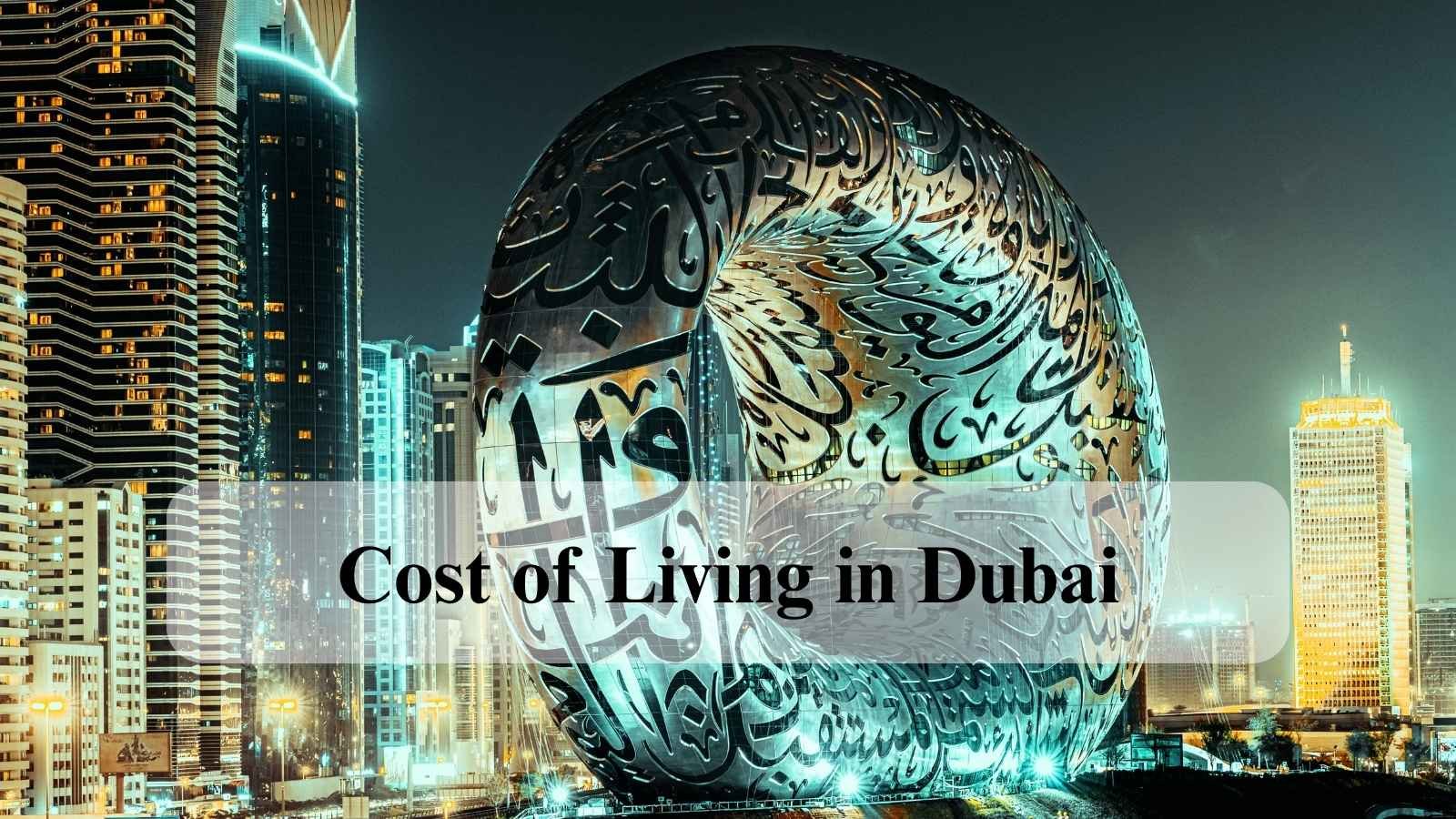
Dubai has become one of the world’s most attractive destinations for professionals, entrepreneurs, investors, and families seeking a modern lifestyle combined with excellent business opportunities. Known for its impressive skyline, luxurious lifestyle, tax-friendly environment, and world-class infrastructure, Dubai attracts millions of residents from across the globe. However, before relocating to the emirate, it is important to understand the overall cost of living and how different expenses can impact your monthly budget.
While Dubai offers many financial advantages, including the absence of personal income tax, living expenses can vary significantly depending on lifestyle choices, location, and family size. This comprehensive guide explores the major costs associated with living in Dubai and provides valuable insights for anyone considering making the city their home.
Why Understanding the Cost of Living in Dubai Is Essential Before Making the Move
One of the biggest mistakes many newcomers make is assuming that Dubai is either extremely expensive or surprisingly cheap. The reality lies somewhere in between. Dubai offers a wide range of living options, from affordable apartments and budget-friendly dining to luxury villas and premium entertainment experiences.
The cost of living largely depends on factors such as accommodation, transportation, education, healthcare, utilities, and leisure activities. Understanding these expenses helps individuals and families create realistic financial plans and avoid unexpected costs after relocation.
Dubai’s dynamic economy and international environment provide opportunities for people from all income levels. Whether you are a young professional, entrepreneur, digital nomad, or large family, there are lifestyle options available that can fit your budget.
Housing and Rental Expenses Continue to Represent the Largest Portion of Living Costs in Dubai
Accommodation is typically the biggest expense for residents in Dubai. Rental prices vary greatly depending on the neighborhood, property type, and proximity to business districts, schools, and transportation networks.
Popular areas such as Downtown Dubai, Dubai Marina, Palm Jumeirah, and Business Bay tend to have higher rental costs due to their premium locations and luxury amenities. On the other hand, communities like International City, Al Nahda, Dubai Silicon Oasis, and Jumeirah Village Circle offer more affordable housing options.
A single professional may choose a studio or one-bedroom apartment, while families often prefer larger apartments or villas in suburban communities. Many residential developments provide facilities such as swimming pools, gyms, security services, children’s play areas, and landscaped gardens, which can influence rental prices.
When budgeting for accommodation, residents should also consider security deposits, maintenance fees, moving expenses, and annual rental payment requirements, as many landlords request rent through multiple post-dated checks.
Utility Bills and Household Services Can Add a Significant Amount to Monthly Expenses
In addition to rent, residents must budget for utilities and household services. Electricity and water services are provided through the Dubai Electricity and Water Authority (DEWA), and monthly costs depend on property size, occupancy levels, and air conditioning usage.
Dubai’s hot climate means air conditioning is necessary throughout much of the year, especially during the summer months when temperatures regularly exceed 40°C. As a result, utility bills can increase substantially during peak summer seasons.
Internet and mobile services are another important expense. Dubai offers high-speed internet infrastructure and excellent mobile network coverage. Residents can choose from various packages based on their usage requirements, including home broadband, television services, and mobile data plans.
Additional household expenses may include cleaning services, maintenance, home insurance, and subscription-based entertainment platforms.
Transportation Costs in Dubai Remain Relatively Affordable Compared to Many Major Global Cities
Dubai has invested heavily in transportation infrastructure, making it relatively easy for residents to travel throughout the city. Public transportation options include the Dubai Metro, buses, trams, water taxis, and ride-sharing services.
The Dubai Metro is one of the most efficient and affordable ways to commute, especially for professionals working in major business districts. Public transportation costs are generally lower than owning and maintaining a private vehicle.
However, many residents prefer driving due to convenience and flexibility. Car ownership involves expenses such as vehicle payments, insurance, fuel, registration, maintenance, parking fees, and toll charges through the Salik road toll system.
Fuel prices in Dubai are generally lower than in many Western countries, making car ownership more affordable. Nevertheless, transportation expenses should still be carefully considered when creating a monthly budget.
Grocery Shopping and Food Expenses Can Vary Widely Depending on Personal Preferences
Dubai’s multicultural population has created a diverse food market offering products from nearly every corner of the world. Residents can choose between budget supermarkets, mid-range grocery stores, and premium specialty retailers.
Monthly grocery expenses depend on dietary preferences, family size, and shopping habits. Those who purchase imported products regularly may spend considerably more than those who buy locally produced or regional goods.
Fresh fruits, vegetables, dairy products, meat, seafood, and household essentials are widely available throughout the city. Residents can also take advantage of local markets and wholesale stores to reduce grocery costs.
Dubai’s competitive retail environment frequently features promotions and discounts, helping residents manage food expenses more effectively.
Dining Out and Entertainment Costs Reflect Dubai’s Diverse Lifestyle Options
One of Dubai’s greatest attractions is its vibrant dining and entertainment scene. The city offers everything from affordable street food and casual cafés to world-famous fine dining restaurants and luxury hotel experiences.
Residents can enjoy meals at various price points depending on their preferences. Budget-conscious individuals can find inexpensive dining options across many neighborhoods, while luxury restaurants provide premium culinary experiences with significantly higher prices.
Entertainment options include cinemas, theme parks, desert safaris, beach clubs, concerts, sporting events, cultural attractions, and shopping festivals. The wide variety of activities means residents can tailor their entertainment budgets according to their lifestyles.
Many businesses also offer seasonal promotions, loyalty programs, and discount packages that make entertainment more accessible throughout the year.
Healthcare Expenses and Medical Insurance Requirements for Dubai Residents
Healthcare is a critical component of living expenses in Dubai. The city is home to modern hospitals, specialized clinics, and highly qualified healthcare professionals from around the world.
Health insurance is mandatory for residents, and employers often provide coverage as part of employment packages. However, coverage levels vary significantly, and some residents choose to purchase additional insurance for enhanced medical benefits.
Medical expenses can include routine checkups, specialist consultations, prescription medications, dental treatments, and emergency services. Understanding healthcare coverage and potential out-of-pocket costs is essential for effective financial planning.
Families with children may wish to invest in comprehensive health insurance plans that offer broader coverage and access to premium healthcare facilities.
Education Costs Can Be One of the Largest Financial Commitments for Families Living in Dubai
Families relocating to Dubai often consider education costs among their most important financial concerns. The city offers numerous private schools following British, American, International Baccalaureate, Indian, and other international curricula.
Tuition fees vary significantly depending on the school’s reputation, curriculum, facilities, and academic performance. Additional costs may include registration fees, uniforms, transportation services, extracurricular activities, examination fees, and school supplies.
Many expatriate families allocate a substantial portion of their annual budgets toward education. Some employers provide education allowances as part of expatriate compensation packages, which can help offset these expenses.
Planning for educational costs early is essential for families seeking long-term financial stability in Dubai.
Lifestyle Choices and Personal Spending Habits Play a Major Role in Determining Overall Living Costs
While fixed expenses such as rent and utilities are relatively predictable, lifestyle choices can significantly influence overall living costs. Residents who frequently travel, shop for luxury goods, dine at upscale restaurants, or participate in premium recreational activities may experience substantially higher monthly expenses.
Conversely, individuals who adopt more budget-conscious lifestyles can enjoy many of Dubai’s benefits while maintaining reasonable living costs. Public beaches, parks, cultural events, community activities, and affordable dining options provide excellent opportunities for entertainment without excessive spending.
Financial planning and responsible budgeting remain key factors in maximizing the advantages of living in Dubai while maintaining long-term financial health.
How Dubai Compares to Other Major International Cities in Terms of Affordability and Quality of Life
When compared to cities such as London, New York, Singapore, Sydney, and Hong Kong, Dubai often offers a competitive balance between income potential and living expenses. The absence of personal income tax can significantly increase disposable income for many professionals.
Additionally, Dubai’s modern infrastructure, safety, healthcare system, transportation network, and business-friendly environment contribute to a high quality of life. While certain aspects of living can be expensive, many residents find that the city’s economic opportunities and lifestyle benefits outweigh the costs.
For entrepreneurs and business owners, Dubai’s strategic location and supportive commercial ecosystem provide additional value beyond everyday living considerations.
Final Thoughts on Whether the Cost of Living in Dubai Is Worth the Investment for Long-Term Residents
The cost of living in Dubai ultimately depends on individual circumstances, lifestyle preferences, and financial goals. While accommodation, education, and healthcare can represent significant expenses, the city’s tax advantages, career opportunities, modern infrastructure, and exceptional quality of life make it an attractive destination for millions of residents.
By understanding key expenses and planning a realistic budget, individuals and families can successfully navigate the financial aspects of living in Dubai. Whether you are relocating for work, launching a business, investing in property, or seeking a better lifestyle, Dubai offers a unique combination of opportunity, comfort, and global connectivity that continues to attract people from around the world.

