

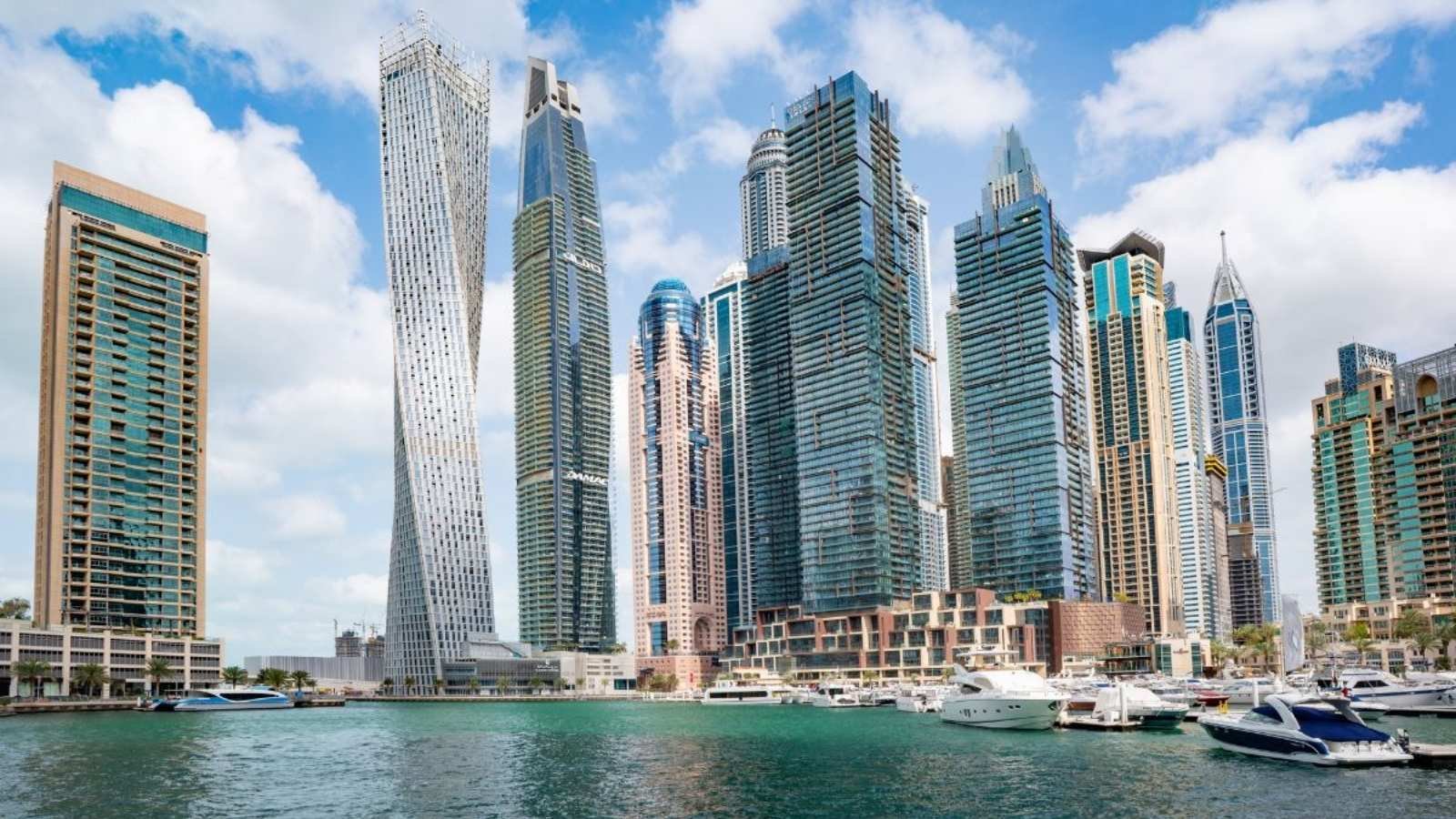
Dubai’s real estate market has established itself as one of the most dynamic and resilient property sectors in the world. Over the last decade, the emirate has transformed from a regional business hub into a global destination for investors, entrepreneurs, multinational corporations, and affluent individuals seeking luxury lifestyles and long-term investment opportunities. The combination of strategic government initiatives, tax-friendly policies, world-class infrastructure, and a growing population has created a strong foundation for sustained real estate growth.
As the city continues to attract foreign direct investment and skilled professionals from around the world, demand for residential, commercial, and mixed-use developments remains robust. The market has demonstrated remarkable adaptability despite global economic uncertainties, making Dubai one of the most closely watched real estate destinations internationally. Looking ahead, industry experts anticipate continued expansion supported by economic diversification, technological innovation, and increasing investor confidence.
Examining the Current State of Dubai’s Property Sector and the Factors Driving Market Performance
The current Dubai real estate market reflects a strong balance between investor demand and development activity. Property transactions have reached record levels in recent years, driven by increased interest from both local and international buyers. High-net-worth individuals, expatriates, and institutional investors have all contributed to market momentum, particularly within luxury residential communities and prime commercial districts.
Several factors have fueled this growth. The introduction of long-term residency options, including investor and professional visas, has encouraged many residents to transition from renting to property ownership. Additionally, Dubai’s stable political environment, modern infrastructure, and attractive business ecosystem continue to strengthen its appeal among global investors.
The city’s commitment to innovation and sustainability has also influenced buyer preferences. New developments increasingly incorporate smart technologies, energy-efficient designs, and environmentally conscious construction practices, aligning with global real estate trends and increasing property value potential.
How Population Growth and Economic Expansion Are Expected to Shape Dubai’s Real Estate Future
One of the most significant drivers of future real estate demand in Dubai is population growth. Government projections and economic development plans suggest that the emirate will continue attracting residents from across the globe due to employment opportunities, business-friendly regulations, and exceptional quality of life.
As the population expands, demand for housing will naturally increase across multiple market segments. Affordable housing, mid-market residential communities, luxury villas, and premium waterfront developments are all expected to benefit from growing demand. The influx of entrepreneurs, digital professionals, and remote workers may further support demand for flexible residential and mixed-use developments designed to accommodate evolving lifestyle preferences.
Economic diversification efforts are also playing a major role. Dubai has successfully reduced its reliance on traditional sectors by investing heavily in technology, tourism, logistics, healthcare, renewable energy, and financial services. These industries generate employment opportunities that attract skilled workers and corporate investments, ultimately creating sustained demand for residential and commercial real estate.
Long-Term Forecast for Residential Property Prices Across Different Areas of Dubai
Residential property prices in Dubai are expected to remain on an upward trajectory over the coming years, although growth rates may vary by location and property type. Prime areas such as Palm Jumeirah, Downtown Dubai, Dubai Marina, and Emirates Hills are likely to continue experiencing strong demand due to limited supply and international buyer interest.
Luxury properties may see particularly strong appreciation as wealthy investors increasingly view Dubai as a safe haven for capital preservation and lifestyle investment. The city’s luxury real estate market has gained international recognition, attracting buyers from Europe, Asia, North America, and the Middle East.
Meanwhile, emerging communities located along major transportation corridors and development zones are expected to provide attractive opportunities for investors seeking capital appreciation. Areas offering modern amenities, schools, healthcare facilities, and easy access to business districts may experience above-average growth as families and professionals look for value-oriented housing solutions.
While market corrections and short-term fluctuations remain possible, most analysts anticipate positive long-term price growth supported by strong fundamentals and ongoing population expansion.
Forecasting Rental Market Trends and Future Opportunities for Property Investors
Dubai’s rental market is expected to remain strong due to increasing demand from expatriates, professionals, and newly arriving residents. Rising population numbers and continued economic growth should support rental occupancy rates across various property categories.
Investors may continue benefiting from relatively attractive rental yields compared to many global cities. Dubai has historically offered higher rental returns than numerous major real estate markets, making it particularly appealing for income-focused investors.
Premium residential communities and centrally located apartments are expected to maintain strong rental demand, especially among professionals seeking convenient access to employment centers. Family-oriented communities featuring schools, parks, and recreational facilities may also experience rising occupancy rates as long-term residents prioritize lifestyle quality.
Short-term rental properties could present additional opportunities as tourism remains a major pillar of Dubai’s economy. The city’s position as a global travel destination supports demand for vacation rentals and serviced apartments throughout the year.
The Growing Impact of Luxury Real Estate Developments on Market Growth and Investment Demand
Dubai’s luxury real estate sector continues to attract significant international attention. Ultra-luxury villas, branded residences, waterfront properties, and high-end penthouses have become major drivers of market activity.
Several factors contribute to the strength of this segment. High-net-worth individuals are increasingly seeking jurisdictions that offer economic stability, favorable tax policies, premium lifestyle amenities, and international connectivity. Dubai successfully combines these advantages, making it an attractive destination for wealth preservation and luxury living.
Developers continue launching ambitious projects featuring exclusive amenities, private beach access, advanced smart-home technologies, and architectural innovation. These developments not only attract wealthy buyers but also enhance Dubai’s global reputation as a premier luxury real estate market.
Industry forecasts suggest that luxury property demand will remain resilient, particularly among international investors seeking diversified real estate portfolios.
How Infrastructure Projects and Urban Development Initiatives Will Influence Future Property Values
Infrastructure investment remains one of the strongest pillars supporting Dubai’s real estate forecast. The government continues investing heavily in transportation networks, public services, smart city technologies, and urban development initiatives.
New roads, metro expansions, and transportation improvements increase accessibility and often contribute to rising property values in surrounding areas. Communities that benefit from enhanced connectivity typically experience stronger demand from both residents and investors.
Smart city initiatives are also expected to play an increasingly important role. Dubai aims to become one of the world’s leading technology-driven urban centers, integrating digital solutions across transportation, utilities, governance, and real estate sectors. Properties equipped with advanced technological features may command premium pricing as buyers prioritize convenience and efficiency.
Large-scale master-planned communities are likely to remain central to Dubai’s development strategy, creating integrated living environments that combine residential, commercial, retail, and recreational facilities.
The Influence of Foreign Investment Policies and Government Reforms on Market Stability
Government reforms have significantly enhanced Dubai’s attractiveness to international investors. Policies supporting foreign ownership, long-term residency, business establishment, and investment migration have strengthened investor confidence and expanded the buyer base.
The introduction of various visa programs has encouraged individuals and families to establish long-term roots in the emirate. These initiatives create a more stable residential market by increasing homeownership rates and reducing dependence on transient populations.
Future policy reforms may continue supporting market growth by simplifying investment procedures, encouraging innovation, and attracting international capital. Regulatory transparency and investor protection measures are expected to further strengthen confidence among global buyers and institutional investors.
As Dubai continues positioning itself as a leading global business and investment hub, foreign capital inflows are likely to remain a key driver of real estate demand.
Potential Challenges and Market Risks That Could Affect Future Real Estate Performance
Although the outlook remains positive, investors should remain aware of potential risks. Global economic slowdowns, interest rate fluctuations, geopolitical uncertainties, and changes in investor sentiment can influence market conditions.
Supply management also remains important. Excessive development activity could temporarily create oversupply in specific market segments, potentially impacting pricing and rental performance. However, Dubai’s authorities and developers have become increasingly focused on balancing supply with actual demand.
Economic conditions in major investor source countries may also affect purchasing activity. Nevertheless, Dubai’s diversified international buyer base helps reduce dependence on any single market, enhancing overall resilience.
Investors who conduct thorough research, focus on quality developments, and adopt long-term strategies are generally better positioned to navigate market fluctuations.
Why Dubai’s Real Estate Market Forecast Remains Positive for Investors, Homebuyers, and Developers
The future of Dubai’s real estate market appears highly promising. Strong economic fundamentals, population growth, infrastructure investment, government support, and increasing international interest collectively create a favorable environment for sustained expansion.
Residential demand is expected to remain strong across both luxury and mid-market segments, while rental markets continue offering attractive yield opportunities. Infrastructure projects, smart city initiatives, and ongoing economic diversification efforts are likely to further enhance property values and investor confidence.
Although short-term market fluctuations are inevitable in any real estate sector, Dubai’s long-term growth story remains compelling. Investors seeking capital appreciation, rental income, portfolio diversification, or lifestyle benefits may find significant opportunities within the emirate’s evolving property landscape.
As Dubai continues advancing its vision of becoming one of the world’s most innovative and economically dynamic cities, the real estate sector is expected to remain a cornerstone of that transformation. For buyers, investors, developers, and industry stakeholders, the coming years may present some of the most exciting opportunities in the history of Dubai’s property market.

