

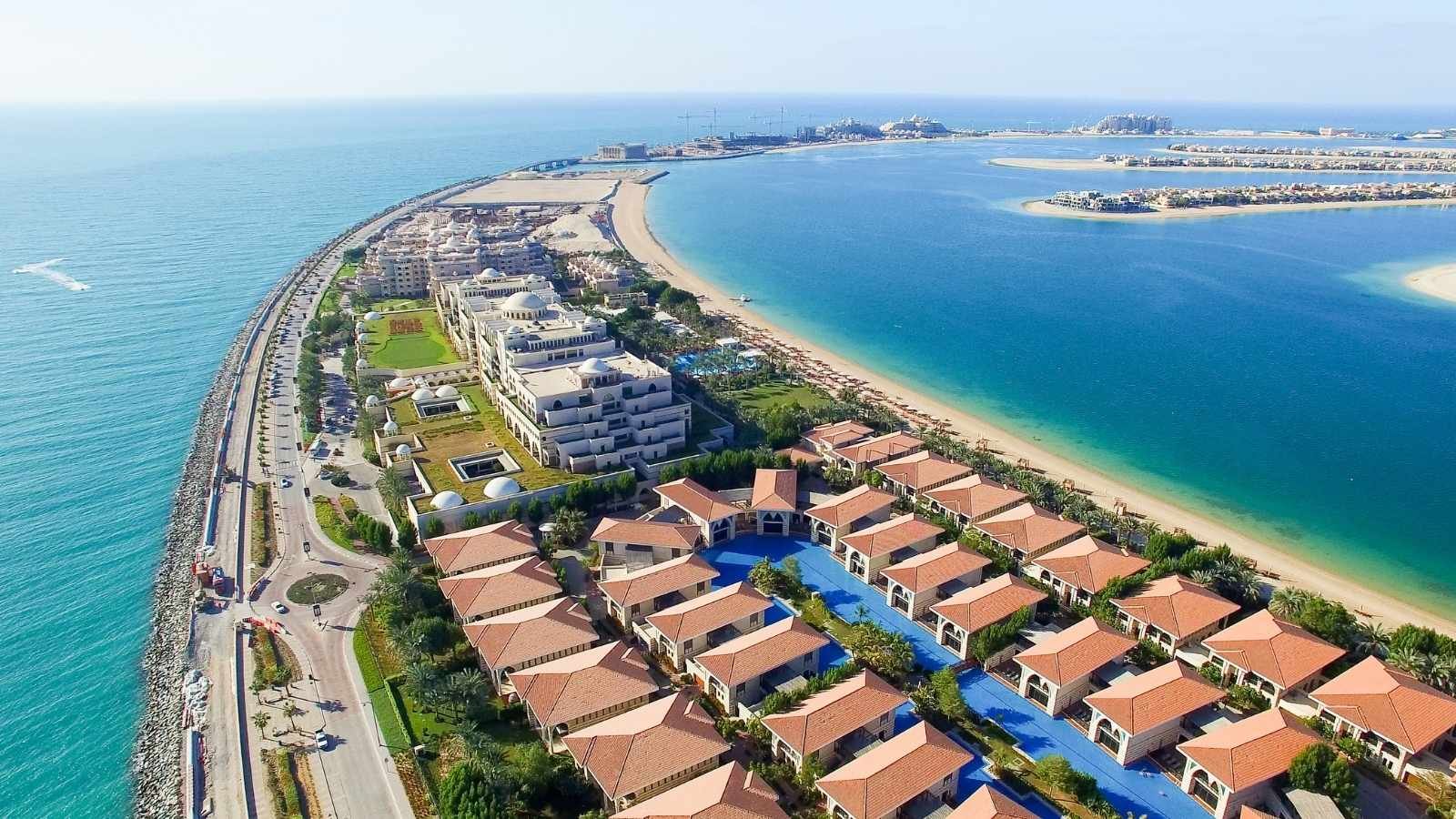
Dubai has transformed itself into one of the most attractive global destinations for real estate investment. With its strategic location between Europe, Asia, and Africa, world-class infrastructure, tax-friendly environment, and strong economic growth, the city continues to attract investors from every corner of the globe. Foreign investors are particularly drawn to Dubai’s property market because it offers opportunities for high rental yields, capital appreciation, and long-term wealth creation.
Unlike many international property markets that impose strict ownership restrictions on foreigners, Dubai has established a transparent legal framework that allows non-residents and expatriates to purchase real estate in designated freehold areas. This investor-friendly approach makes it easier for international buyers to invest in Dubai property with confidence and long-term security. The openness of the market has helped create a diverse and vibrant real estate sector where investors can choose from luxury apartments, waterfront villas, commercial properties and off-plan developments.
As Dubai continues to expand and attract global talent, the demand for residential and commercial real estate remains strong, creating promising opportunities for those looking to invest in Dubai property and build wealth through one of the world’s most dynamic real estate markets.
Understanding the Legal Framework That Allows Foreign Nationals to Purchase Property in Dubai
One of the primary reasons international investors choose Dubai is the straightforward legal structure surrounding foreign property ownership. The government has designated several freehold areas where foreign nationals can buy, sell, lease, and inherit property without requiring local sponsorship.
Foreign investors can own property with full ownership rights in areas such as Dubai Marina, Downtown Dubai, Palm Jumeirah, Business Bay, Jumeirah Village Circle, Dubai Hills Estate, and several other popular communities. These ownership rights provide investors with security and confidence, knowing that their assets are protected under Dubai’s property laws.
The Dubai Land Department regulates all real estate transactions and maintains a transparent registration process. This regulatory oversight helps reduce risks associated with property ownership while ensuring that buyers receive official title deeds confirming their ownership rights.
Exploring the Most Attractive Residential and Commercial Property Investment Opportunities Available to Foreign Buyers
Dubai offers a wide range of investment opportunities suitable for different budgets and financial objectives. Residential apartments remain among the most popular choices for foreign investors due to their affordability and consistent rental demand. Areas such as Dubai Marina, Business Bay, and Jumeirah Village Circle often generate attractive rental returns because they appeal to professionals, families, and expatriates.
Luxury villas and waterfront properties also attract international buyers seeking premium investments. Communities such as Palm Jumeirah and Emirates Hills have become symbols of luxury living and continue to attract wealthy investors from around the world. These properties often benefit from long-term capital appreciation due to limited supply and strong international demand.
Commercial real estate presents another avenue for investment. Office spaces, retail units, and warehouse facilities can generate stable income streams for investors willing to diversify beyond residential properties. As Dubai continues to strengthen its position as a global business hub, demand for commercial real estate remains significant.
Learning How the Dubai Property Buying Process Works for International Investors and Non-Residents
The property purchasing process in Dubai is relatively simple compared to many international markets. Foreign investors typically begin by identifying a property that matches their investment goals and budget. Once a suitable property is selected, the buyer and seller sign a Memorandum of Understanding outlining the terms and conditions of the transaction.
The buyer usually pays a deposit, often around ten percent of the property’s value, to secure the purchase. Following this stage, both parties coordinate with the Dubai Land Department to complete the ownership transfer process. The final payment is made, registration fees are paid, and the title deed is issued in the buyer’s name.
Many foreign investors choose to work with licensed real estate brokers and legal advisors throughout the transaction. Professional guidance helps ensure compliance with regulations while reducing the likelihood of unexpected complications during the purchase process.
Understanding the Costs, Fees and Financial Commitments Associated With Property Investment in Dubai
While Dubai offers tax advantages compared to many global property markets, investors should understand the various costs involved in property acquisition. The Dubai Land Department generally charges a transfer fee of four percent of the property’s purchase price. Additional administrative charges may also apply during registration.
Real estate agency commissions are another consideration and are commonly calculated as a percentage of the property’s value. Investors purchasing apartments or villas within master-planned communities may also be responsible for annual service charges that cover maintenance, security, landscaping, and shared facilities.
Financing costs should also be considered by buyers using mortgage facilities. Although many international investors purchase properties with cash, foreign nationals may also qualify for mortgages from UAE banks, subject to eligibility requirements and lending criteria.
Evaluating Rental Income Potential and Long-Term Returns From Dubai Real Estate Investments
One of Dubai’s strongest investment advantages is its ability to generate attractive rental yields. Compared with major cities such as London, New York, Paris, and Hong Kong, Dubai often offers significantly higher rental returns. Depending on location, property type, and market conditions, investors may achieve rental yields ranging from five to eight percent or even higher in certain areas.
The city’s growing population, thriving tourism sector, and expanding business community contribute to sustained rental demand. Thousands of professionals relocate to Dubai each year for employment opportunities, creating a steady need for quality residential accommodation.
Short-term rentals have also become increasingly popular, particularly in tourist hotspots. Investors who strategically manage vacation rental properties may generate higher income than traditional long-term leasing arrangements, although operational management requirements are generally more intensive.
Discovering How Off-Plan Property Investments Can Create Significant Opportunities for Foreign Investors
Off-plan properties refer to developments that are purchased before construction is completed. Dubai’s property market offers numerous off-plan opportunities from leading developers, often at prices lower than comparable completed units.
Investors are attracted to off-plan projects because developers frequently provide flexible payment plans that spread costs over several years. This approach can reduce the immediate financial burden while allowing investors to benefit from potential capital appreciation as construction progresses.
However, investors should carefully research developers, project timelines, and market conditions before committing to off-plan investments. While these properties can offer substantial returns, they may also involve construction delays or market fluctuations that impact investment performance.
Taking Advantage of Dubai’s Investor-Friendly Tax Environment and Wealth Preservation Benefits
Dubai’s tax environment remains one of its most appealing features for international investors. The absence of annual property taxes and capital gains taxes on most real estate transactions allows investors to retain a greater portion of their profits compared to many other jurisdictions.
This favorable tax structure makes Dubai particularly attractive for individuals seeking wealth preservation and long-term financial growth. Rental income generated from investment properties can also be more efficient from a taxation perspective, depending on the investor’s country of residence and applicable international tax obligations.
As global investors continue searching for jurisdictions that support wealth creation, Dubai’s tax advantages remain a major competitive strength.
Understanding the Risks and Market Factors That Every Foreign Property Investor Should Carefully Consider
Despite its many advantages, property investment in Dubai is not entirely risk-free. Real estate markets naturally experience cycles of growth and correction, and property values can fluctuate depending on economic conditions, interest rates, and global market trends.
Investors should conduct thorough research before making purchasing decisions. Factors such as location, developer reputation, infrastructure development, rental demand, and future supply levels can significantly influence investment performance.
Currency exchange fluctuations may also affect returns for international investors whose primary income and assets are denominated in other currencies. Maintaining a diversified investment strategy can help reduce exposure to market-specific risks.
Creating a Successful Long-Term Strategy for Building Wealth Through Dubai Real Estate Investment
Successful property investment requires more than simply purchasing a property and waiting for appreciation. Investors should develop a clear strategy based on financial goals, risk tolerance, and investment timelines.
Some investors focus on generating immediate rental income through high-demand residential units, while others prioritize long-term capital appreciation by purchasing properties in emerging communities. Diversification across different property types and locations can also help improve portfolio resilience.
Regular market analysis, professional property management, and ongoing evaluation of investment performance can contribute to better long-term outcomes. As Dubai continues to evolve as a global financial, tourism, and business destination, investors who approach the market strategically may benefit from sustained growth opportunities.
Conclusion: Why Dubai Continues to Be One of the Best Property Investment Destinations for Foreign Buyers Seeking Growth and Financial Security
Dubai has established itself as one of the world’s most welcoming and rewarding property markets for foreign investors. With transparent ownership laws, strong rental yields, tax advantages, modern infrastructure, and a growing economy, the city offers numerous opportunities for individuals seeking to build wealth through real estate.
Whether investing in luxury waterfront residences, income-generating apartments, commercial properties, or promising off-plan developments, foreign buyers can access a market designed to support international participation. By conducting proper research, understanding associated costs, and adopting a long-term investment strategy, investors can position themselves to benefit from Dubai’s continued growth and global appeal for many years to come.

